


best sellers
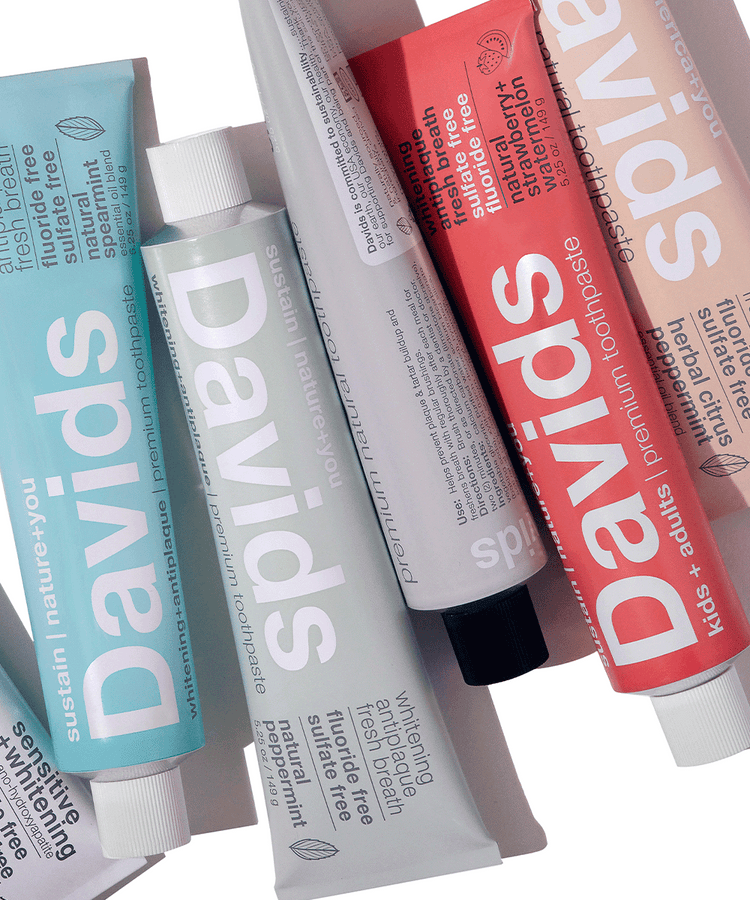
The ingredients in Davids non-fluoride toothpaste and oral care products are derived from natural sources and formulated for high performance without harsh chemicals or artificial colors and flavors.
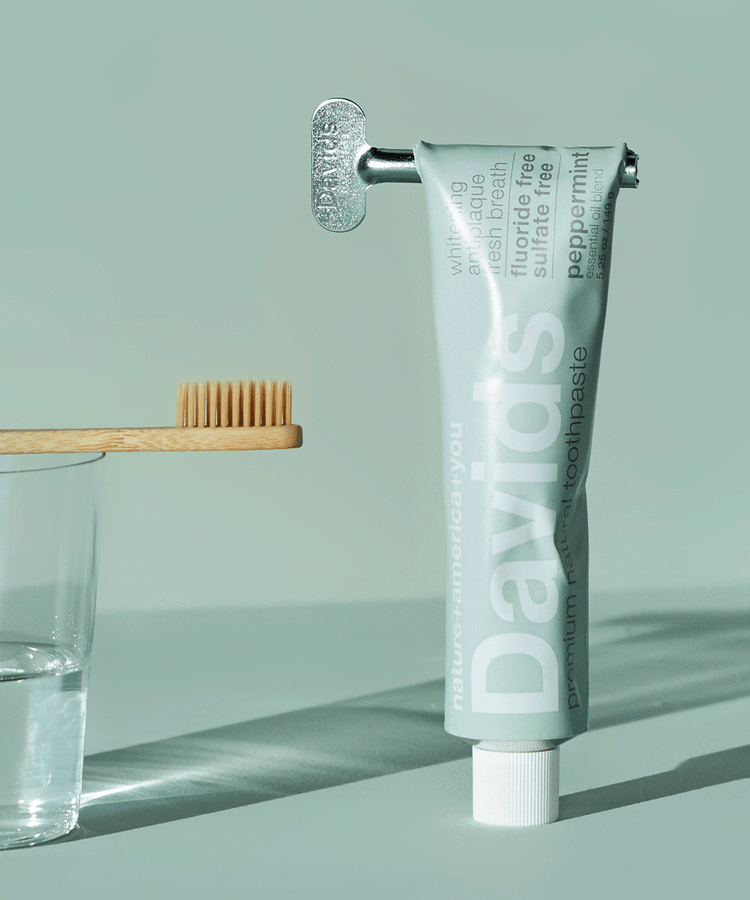
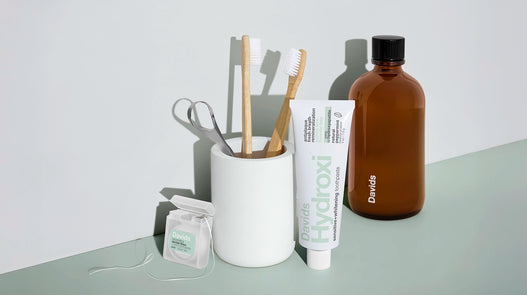
Davids Hydroxi™ sensitive+whitening nano hydroxyapatite premium toothpaste / peppermint
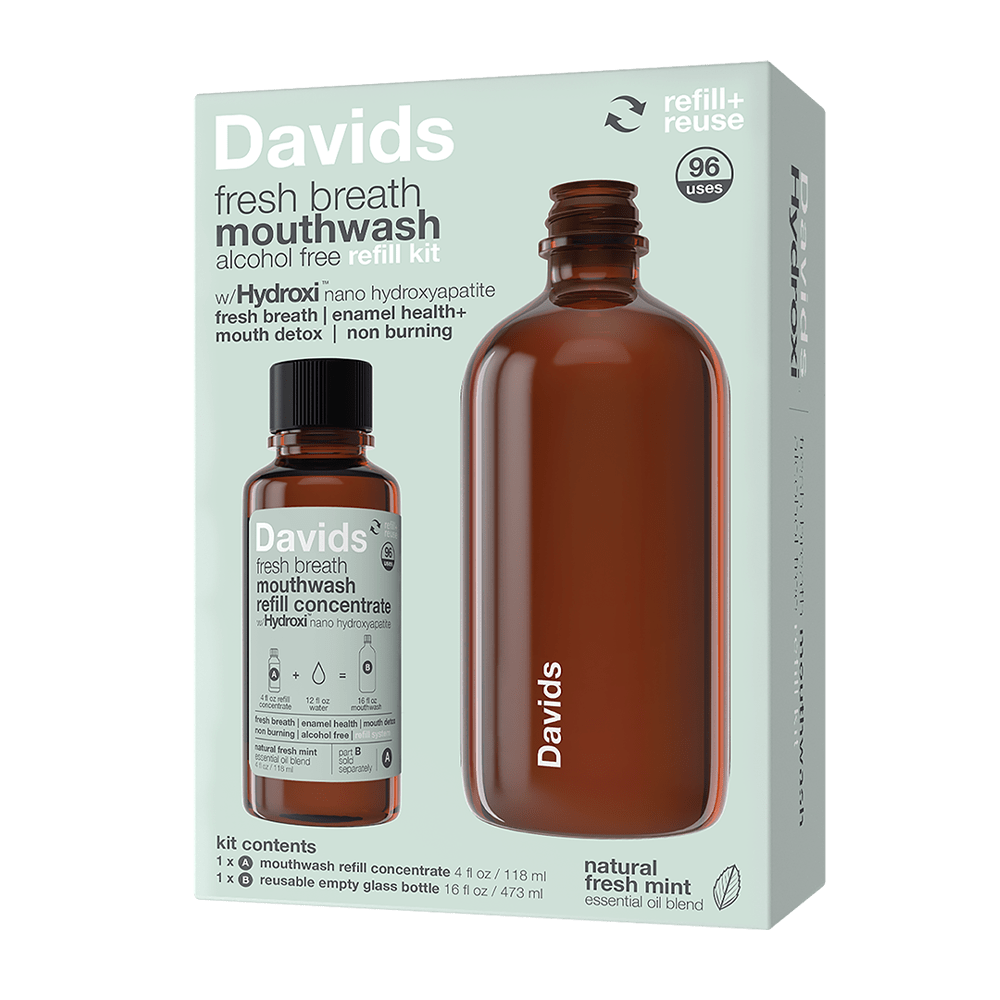
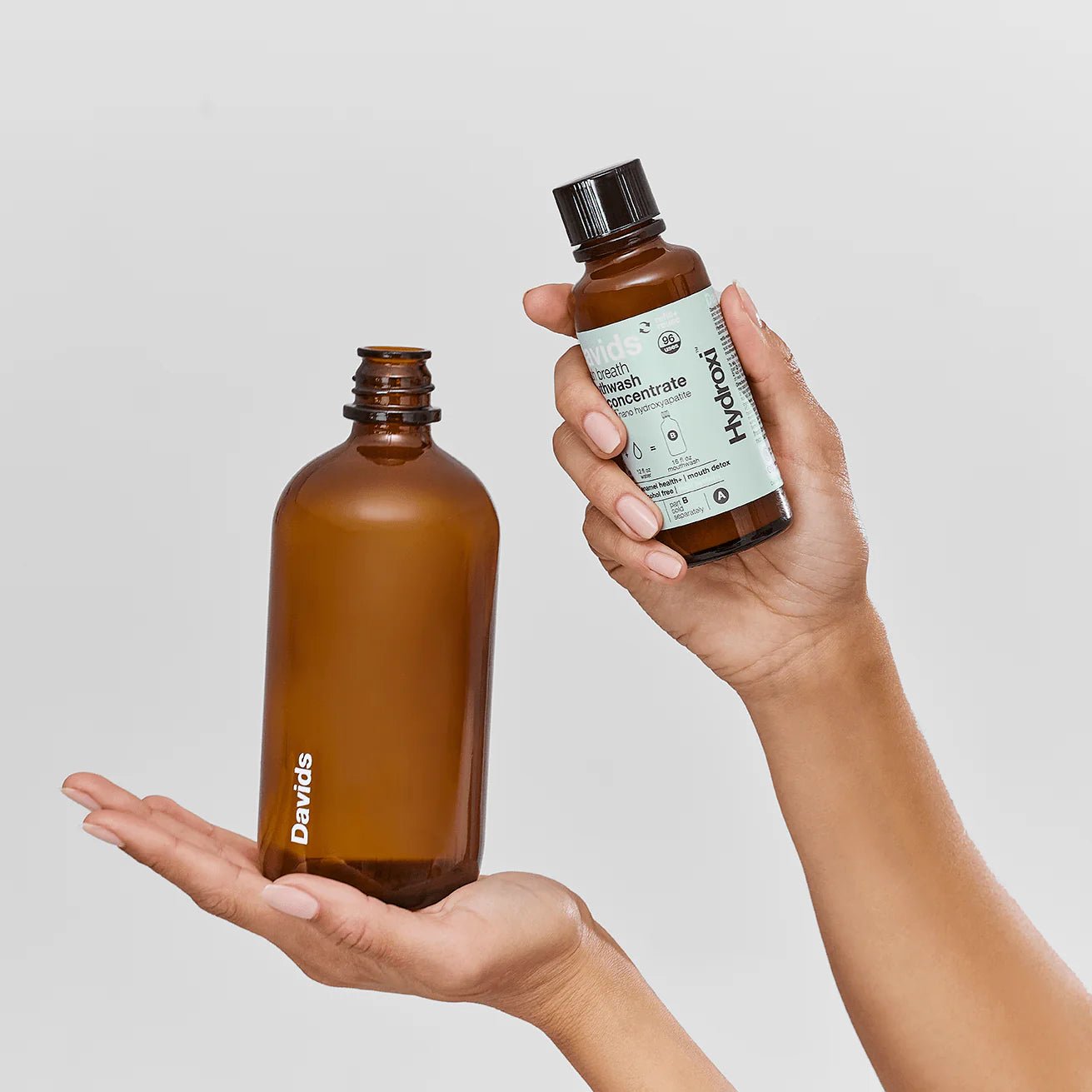
Davids Hydroxi™ fresh breath mouthwash / natural fresh mint / refill kit
Davids Hydroxi™ whitening+enamel health nano hydroxyapatite premium toothpaste / peppermint
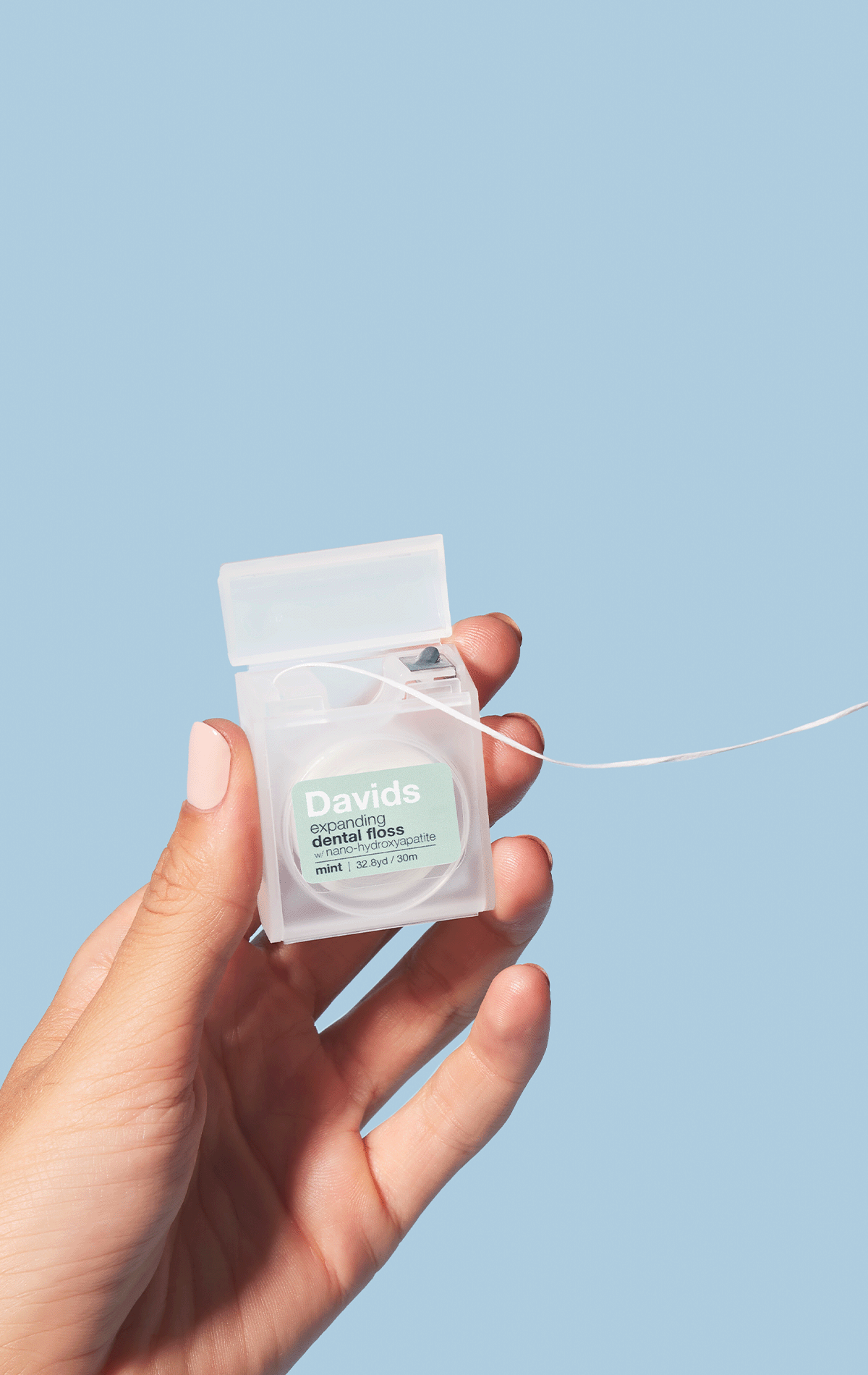
Davids Hydroxi™ expanding dental floss / refillable dispenser + refill / mint / 60m
NEW | Hydroxi Cinnamon
Davids Hydroxi™ whitening+enamel health nano hydroxyapatite premium toothpaste / cinnamon
Description
Description
A bold cinnamon experience with a smooth, clean finish. Warm cassia cinnamon is balanced with softer, sweeter notes, while clove and cardamom add subtle depth. A touch of orange peel brightens the flavor, and a hint of chili creates a gentle lingering warmth. Finished with a hint of peppermint and spearmint for a lasting fresh, clean feeling.
NEW bold + refreshing cinnamon flavor
Hydroxi™ w/ nano hydroxyapatite for whitening & enamel health
high performance formula
no artificial flavors, colors, or preservatives
EWG VERIFIED™
fluoride free
sls free
recyclable metal tube
proudly made in USA
4 oz / 113 g
bundle up + save
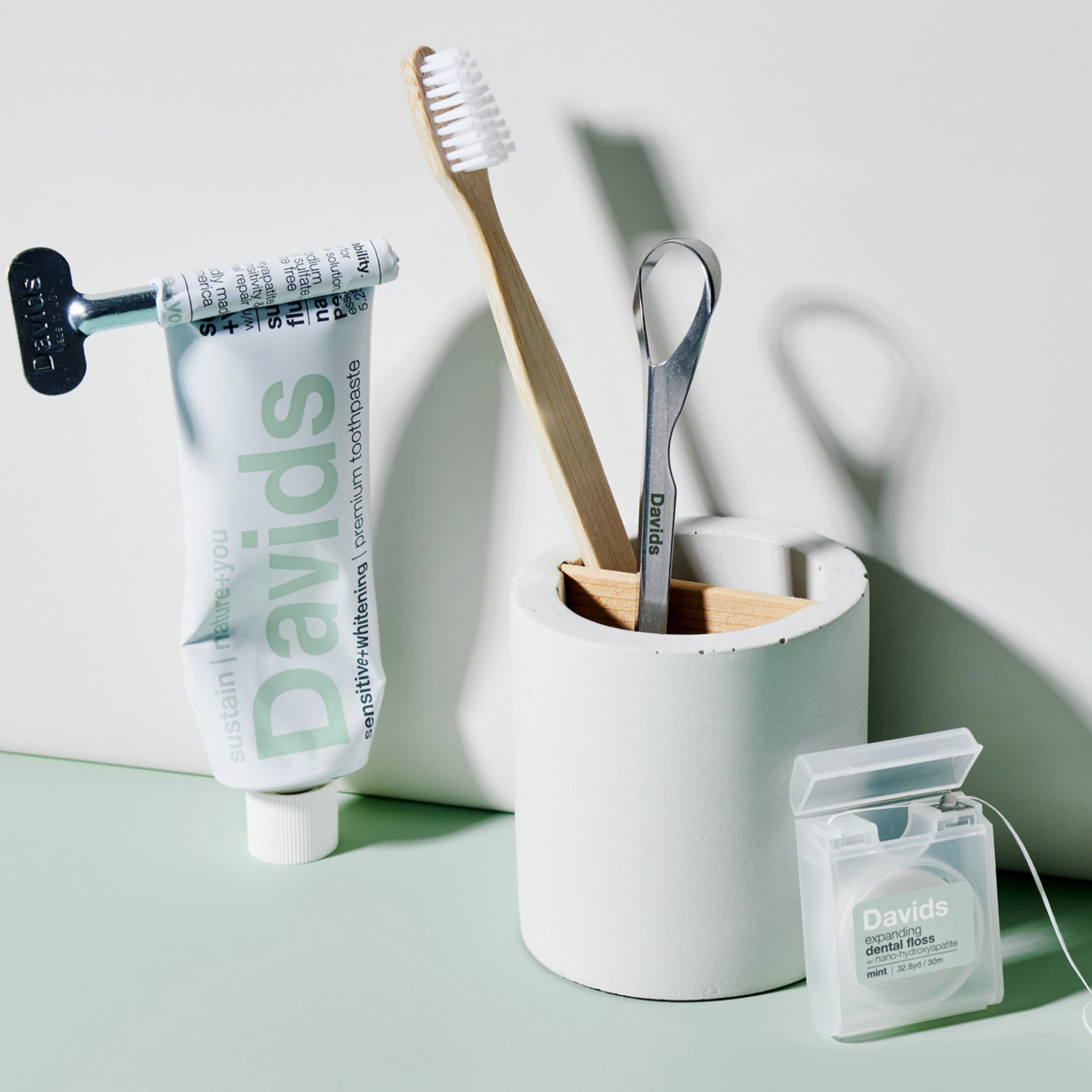
get 10% off with this great starter kit, including: nano hydroxyapatite toothpaste, tongue scraper, toothbrush, and floss
find us at
1.5 Billion
plastic toothpaste tubes end up in landfills each year.
At Davids, we believe in sustainable, environmentally friendly, and naturally derived oral care products. Our metal tubes not only preserve freshness and offer a sleek, modern design, but unlike most toothpaste tubes, they are also fully recyclable. Plus, our non-BPA, food-grade liner prevents any paste-to-metal contact, ensuring the safety of our toothpaste while reducing harmful plastics and microplastics in the environment.
are you a dental professional?
visit our dental pro site to order Davids oral care products for your practice with specialty pricing and exclusive products such as our popular proXL floss
Related Blogs
the benefits of tongue scraping: a science-backed guide to fresh breath
key takeaways Tongue scraping removes volatile sulfur compounds more effectively than brushing, helping combat halitosis. Regular scraping unmasks taste buds and reduces oral bacteria linked to systemic inflammation. Managing the oral microbiome with tongue scraping limits bacterial translocation. The tongue is more than a grouping of muscles and a collection of taste buds. Yes, it is the primary taste organ, but it also hosts an expansive microbial city, the tongue dorsum microbiome, which is both problematic and beneficial. On the problematic side, you have a collection of tiny, hair-like projections called filiform papillae. These protrusions create a landscape of microscopic nooks and crannies, areas with low oxygen and ideal conditions for anaerobic bacteria to thrive. It’s within these tiny crevices that the bacteria break down organic matter and release volatile sulfur compounds (VSCs) or bad breath gases. It’s not all bad, however. Some bacteria are beneficial, including commensal bacteria, which help convert dietary nitrates into nitric oxide, a chemical essential to blood pressure regulation and heart health. Davids professional tongue scraper helps you manage this delicate ecosystem. With the precision-engineered, medical-grade stainless steel tool, you can experience all the benefits of tongue scraping while reducing risks to your oral microbiome. halitosis reduction and other clinical benefits A tongue scraper allows for the mechanical removal of the tongue dorsum biofilm, the white tongue coating or film, known as the lingual patina, that’s home to halitosis-producing compounds (hydrogen sulfide and methyl mercaptan). Brushing also reduces these VSCs, but not as effectively. A 2004 study published in the Journal of Periodontology found that tongue scrapers eliminated 75% of oral VSCs, while toothbrushing only eliminated 45%. Though not a recent study, the conclusion and support still stand and are supported by more recent reports, including a 2024 article in the Journal of Indian Society of Periodontology and a 2026 Cochrane review. Odor-causing bacteria congregate on the posterior third of the tongue, meaning towards the back of the mouth. A typical toothbrush doesn’t have the correct profile for reaching this location without activating the gag reflex. The benefits of tongue scraping belong to its sleek, low-profile design, allowing easy reach without prompting unpleasant biological responses. While a tongue scraper is a superior tool for managing and eliminating bad bacteria, a primary cause of halitosis, its benefits don’t stop there. From serving as a multiplier of oral hygiene to the established relationship between tongue scraping and gut health, the tool proves time and again its clinical efficiency. beyond fresh breath Eliminating or reducing the source of bad breath is a significant draw to tongue scraping, but it also presents several advantages for preventative dentistry and sensory health. For example, routine scraping reduces oral bacterial load, including the reduction of Streptococcus mutans, linked to tooth decay, and Porphyromonas gingivalis, linked to gum disease. A 2025 review also noted that the mechanical removal of the lingual patina with a tongue scraper unmasks taste buds previously masked by food and other oral debris. The research highlights a specific increase in salty taste intensity. The conclusion suggests this change may help people adhere to a low-sodium diet and reduce cardiovascular risks. Most clinical data points to tongue scraping as an oral hygiene multiplier when added to a typical brushing and flossing routine, meaning it only increases oral health. In fact, a 2013 study published in the International Journal of Clinical Pediatric Dentistry found that when combined with brushing and flossing, the benefits of tongue scraping resulted in a significant reduction in plaque levels within a relatively short time frame (10 to 21 days). A tongue scraper is a critical tool for oral and systemic health. The tool and activity of scraping interrupt bacterial development, reducing the risk of oral gum disease and systemic inflammation linked to heart disease, according to a 2025 article published in the Cureus Journal of Medical Science. This speaks to the relationship between tongue scraping and gut health as well. digestive health and the oral-gut axis Salivary glands produce 0.5 to 1.5 liters of saliva a day in most adults. You swallow most of that. This saliva flow, from the mouth to the gut, creates a continuous one-way transportation system for oral bacteria. Recent research, including a 2025 study published in the journal Nutrients and a 2025 report in the Journal of Oral Microbiology, states that some oral bacteria, such as Porphyromonas gingivalis and Fusobacterium nucleatum, can survive stomach acid. This is something once thought impossible. The discovery now points to a correlation between the tongue dorsum microbiome and bacterial colonization of the intestine. This new connection is creating pathways to understanding and diagnosing digestive conditions, including gastritis, according to a 2026 study. But what does this mean for the benefits of tongue scraping? The regular use of a tongue scraper, with proper technique, can reduce harmful bacteria in the oral microbiome, limiting the transport of more resilient bacteria to the intestines. proper technique and the optimal routine Tongue scraping for gut health and oral health is straightforward, but there is a technique: Placement: Place the tongue scraper head at the back third or posterior of the tongue, targeting the heavier VSC population. Keep the tool slightly angled, but near flat. Pressure: Apply light, even pressure. You’re only trying to remove the uppermost layer of biofilm. Too much applied pressure may affect microbiome balance and taste. Motion: Pull the scraper forward in a continuous motion. Don’t move the tool back and forth across the tongue, as this can push bacteria deeper into the mouth and filiform papillae. Rinse: Rinse the tongue scraper after every pull. This ensures you don’t redeposit bacteria on the tongue. Repetition: Repeat the process two to five times. The white biofilm should appear lighter when finished. As with brushing and flossing, you should use a tongue scraper at least twice daily, morning and night. Tongue scraping before or after brushing depends on the time. In the morning, it’s best to use the scraper before brushing to prevent swallowing the overnight bacterial load. In the evening, you can brush, especially with a toothpaste containing nano hydroxyapatite, which helps loosen the tongue’s protein matrix, making the benefits of tongue scraping more effective. premium oral care and Davids toothpaste Davids is here to support tongue scraping for gut health and oral health. By combining our premium, medical-grade stainless steel tongue scraper with our nano hydroxyapatite toothpaste, you can confidently clean your entire mouth and experience the benefits of fresh breath and stronger teeth. Are you ready to adopt an oral healthcare routine that’s sustainable and includes naturally sourced and derived ingredients? Shop Davids today.
does hydroxyapatite whiten teeth? the science behind it
key takeaways: Hydroxyapatite is a mineral found in your tooth enamel and dentin, so replenishing the enamel with hydroxyapatite may help make your teeth appear whiter. Hydroxyapatite toothpaste may help brighten your teeth without irritating your gums, making it an ideal choice for those who need support for sensitive teeth. A potential benefit of hydroxyapatite toothpaste is that it can continue to whiten your teeth long-term while also helping regulate the oral microbiome. Capturing photos of life’s most exciting and meaningful events is a wonderful way to catalog your memories, but if you find yourself hesitating to share your biggest smile in them, you might be looking for options to help brighten it. If you have sensitive teeth, finding a whitening toothpaste that’s gentle on your mouth can be a challenge. Hydroxyapatite can offer a gentle, more naturally-derived option for you. Does hydroxyapatite whitening toothpaste whiten teeth, though? Let’s explore how hydroxyapatite toothpaste works and the science behind it as you look for options to brighten your smile. connection between hydroxyapatite and enamel Hydroxyapatite is a naturally occurring mineral (calcium and phosphate) comprising most of your enamel (your teeth’s outer layer) and dentin (the layer beneath the enamel). Whitening relies heavily on your enamel’s condition, so a material capable of remineralizing and smoothing your tooth’s surface directly affects how bright your teeth appear. If your enamel is porous or rough, it ends up scattering light unevenly, causing it to look more yellow. Replenishing the enamel with nano hydroxyapatite improves your tooth surface’s brightness. no bleaching required with hydroxyapatite Traditional whitening relies on using carbamide or hydrogen peroxide to lift stains. Although hydroxyapatite whitening toothpaste does whiten teeth, it doesn’t work like a carbamide or peroxide based whitener since it doesn’t bleach pigments. Instead, nano hydroxyapatite fills microfissures (hairline cracks), remineralizes (strengthens) weak areas, and smooths your enamel surface. This helps the surface appear more uniform and whiter without the need to chemically alter pigments. filling irregularities in your tooth surface with hydroxyapatite Everyday wear, brushing abrasion, and acidic foods create tiny grooves and pits in your enamel, which can darken your pearly whites by reducing shine and collecting stains. Nano Hydroxyapatite does whiten teeth because hydroxyapatite fills the defects, helping create a smoother tooth surface that looks whiter naturally and resists staining. It’s a structural and mechanical whitening effect that may produce the bright smile you desire. sensitivity reduction possible with hydroxyapatite You may be asking, does hydroxyapatite whiten teeth without causing sensitivity like other tooth whitening solutions? Tooth sensitivity may limit how frequently individuals use peroxide-based whiteners. Many people who use chemical whitening products complain about sensitivity issues. However, since Davids nano Hydroxyapatite whitening toothpastes do not use any bleaching chemicals, and actually help to remineralize the enamel, it does not lead to increased sensitivity. In fact, it helps to seal exposed tubules in the dentin (hollow tubules inside your dentin that extend from your pulp, the part of your tooth containing the blood supply and nerves), which can help to support sensitive teeth. This support helps users maintain consistent dental care routines. If you use nano hydroxyapatite toothpaste and discover that it doesn’t contribute to sensitivity issues, you may be more likely to continue brushing consistently, which supports better whitening results long term. why consider hydroxyapatite if you have sensitive teeth Peroxide whitening, for example, may be a dramatic and fast way to enhance your smile, but it might also dehydrate your enamel and irritate your gums. Hydroxyapatite toothpaste does whiten teeth as well, but it could also be a gentler option for you. It’s slower yet more gentle for sensitive mouths and teeth, strengthening your enamel rather than weakening it. length of whitening time Hydroxyapatite’s whitening effect on your teeth is more gradual. Depending on the severity of the discoloration, you may begin to notice your teeth become whiter after using Davids whitening+enamel health toothpaste twice daily for a few days or several weeks. Continuing to use Davids Hydroxi™ nano hydroxyapatite toothpaste can help to improve the quality of your enamel over time, resulting in sustained brightness. link between hydroxyapatite and the mouth’s microbiome Hydroxyapatite helps regulate the oral microbiome (the microorganism environment in the mouth), which may affect whitening by decreasing the types of bacteria known to produce acids and pigments. Since hydroxyapatite particles bind to the cell walls of bacteria, they might make it harder for some species that produce stains to stick to enamel, reducing the accumulation of plaque over time. This supports a healthier environment that is less prone to developing tooth stains. In this way, nano hydroxyapatite whitening toothpaste does whiten teeth without disrupting your mouth’s microbial balance. experience the benefits of Davids nano hydroxyapatite toothpaste today At Davids, we’re passionate about elevating overall health with toothpaste and other products featuring naturally sourced and derived ingredients. Several of our fluoride-free oral care product formulas are powered by nano hydroxyapatite, which may not only help whiten your teeth but also remineralize and support sensitive teeth naturally. Since we’re dedicated to sustainability and health, we also use recyclable metal tubes and vegan-friendly ingredients, in addition to abiding by cruelty-free practices. We craft all of our tubes with integrity. Backed by science and verified by the Environmental Working Group, our toothpaste is designed to support both a healthier mouth and a healthier planet. Clean up your oral care routine by ordering from Davids today!
look beyond packaging in your sustainable oral care routine
Sustainability is more than just the right packaging, its also how well the product actually works. is it both effective and efficient? Take a closer look at this important piece of the sustainability conversation and how Davids high performance oral care products lead the way in both packaging and efficiency.