



key takeaways
-
The best tongue scraper should be comfortable, easy to clean, durable, and simple to use every day.
-
Stainless steel is a strong choice because it does not tarnish, lasts longer than plastic, and rinses clean with little maintenance.
-
The best tongue cleaner should help lift tongue coating without sharp edges, heavy pressure, or a design that feels hard to control.
-
Tongue scraping can support fresher breath and a cleaner mouthfeel, but it should not replace brushing, flossing, or regular dental care.
You’ve heard the buzz about tongue scraping. A cleaner mouthfeel, fresher breath, and a simple way to add one more mindful step to your oral care routine all have their own appeal.
The next step is deciding which tongue scraper to get for yourself. But with so many options, how can you know which one is the best tongue scraper for your routine? Copper or stainless steel? U shaped or single hand? Plastic, silicone, or metal? We understand the overwhelm, which is why Davids is breaking down the most popular options here.
Tongue scraping may help reduce tongue coating and breath odor in the short term, according to research summarized by NCBI Bookshelf. For persistent bad breath or oral concerns, it is best to speak with a dental professional.
Spoiler alert: Davids prefers the single hand stainless steel tongue scraper. It is durable, smooth, easy to clean, and designed to fit naturally into a clean oral care routine.
what’s the best material for a tongue scraper?
plastic tongue scraper
As an oral care company that works to minimize plastic waste, Davids sees clear limits with a plastic tongue scraper. Plastic is usually less durable than stainless steel or copper, which means it may need to be replaced more often.
Some plastic tongue scrapers also have bristles or textured sections. These features may feel familiar, but they can be harder to rinse clean than a smooth scraping edge.
A plastic tool may be lighter and less intimidating for kids or first time users. Still, for adults who want the best tongue scraper for long term use, plastic is usually not the strongest choice.
silicone tongue scraper
A silicone tongue scraper can be a helpful option for kiddos who are not ready for metal. It is soft on the tongue, flexible, and often less intimidating than a firm scraper. Some silicone tongue scrapers come in playful shapes, such as lollipops or ice cream bars. That can make tongue cleaning feel more approachable for kids who are still building their routine.
The tradeoff is control. Silicone can be a good tongue cleaner for a gentle start, but softer materials may not feel as precise as a stainless steel tool.
copper tongue scraper
Ancient tongue scrapers were often made from copper, gold, silver, or brass, so copper has remained a familiar material for many people. It is reusable and may appeal to shoppers who like traditional oral care tools.
While copper can be a better choice than disposable plastic, Davids does not feel it is the best tongue scraper material for most daily routines, because it can tarnish over time, especially if it is not cared for in a specific way. Copper tools need more polishing and drying than stainless steel to keep them looking clean.
For a tool that touches water and saliva daily, ease of care matters. Davids prefers a material that stays smooth, resists tarnish, and can be cleaned with little effort.
stainless steel tongue scraper
Davids believes stainless steel tongue scrapers are the strongest option, which is why we offer one in our oral care lineup. Stainless steel does not tarnish like copper, and it is built for repeated daily use.
A smooth stainless steel edge can help lift tongue coating with light pressure. It also rinses clean, feels sturdy in the hand, and supports a lower waste routine compared with disposable plastic tools. It is also easy to store in a bathroom drawer or travel kit.
For many adults, stainless steel is the best tongue scraper because of this balance of comfort, durability, hygiene, and sustainability.
what’s the best shape for a tongue scraper?
flat toothbrush head
Have you tried using the tongue cleaner on the back of your toothbrush head? Or have you used one of those flat toothbrush head style scrubbers on an electric toothbrush?
At Davids, we find that these silicone and plastic options are less effective as true scrapers. Their small, flat shape may move around the tongue coating instead of lifting it in a clean, controlled pass.
A toothbrush head can be a good tongue cleaner… when you don’t have another tool. Still, a dedicated scraper is usually easier to guide across the tongue surface. Davids recommends choosing a reusable stainless steel tool that is designed for this specific job. The right shape can make the routine feel simpler and more effective.
arched tongue scraper
An arched, or U shaped, tongue scraper is a step in the right direction. This design can cover more of the tongue surface and may feel more efficient than a flat toothbrush head.
Still, U shaped tongue scrapers can feel wide and harder to maneuver. This can be especially true near the back of the tongue, where some people feel more sensitive. The best tongue cleaner should reach the tongue surface without making the routine feel uncomfortable. If a scraper triggers your gag reflex, it may take practice or a different shape.
single hand tongue scraper
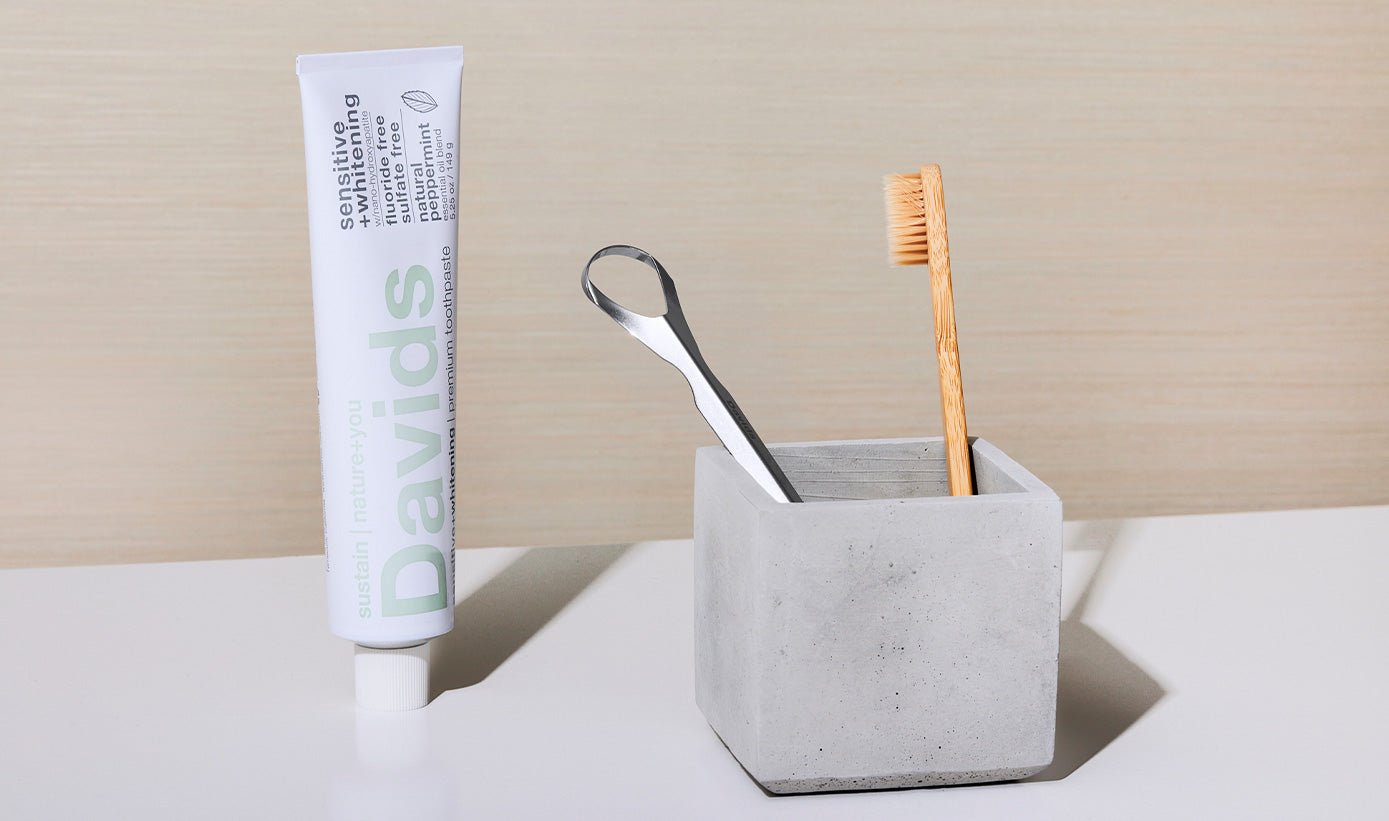
Davids single hand stainless steel tongue scraper is designed to reach the tongue with more control. The shape helps you guide the tool from back to front with light pressure. It may take a little practice to get used to tongue scraping. Start slowly, stay gentle, and avoid pressing too hard.
Made with 100% medical grade stainless steel, the Davids tongue scraper has smooth, rounded edges for a comfortable scraping experience. It is the Davids recommended tongue scraper for adults who want a durable daily tool.
The result is a mouth that feels cleaner and a simple step that supports fresher breath. For shoppers comparing tools, this design makes Davids a strong choice for the best tongue scraper.
how to use a tongue scraper
Rinse your scraper before use. Place it toward the back of the tongue, then pull it forward gently. Rinse the scraper after each pass. Use light pressure and stop if your tongue feels sore. A good tongue cleaner should help your mouth feel fresh without irritation.
After use, wash the scraper with warm water and dry it. Pair tongue scraping with brushing, flossing, and regular dental visits for a more complete oral care routine.
does tongue scraping help with fresher breath?
The tongue can collect coating, food debris, and odor related buildup. Gently scraping the tongue may help the mouth feel cleaner and may support fresher breath as part of a full routine. If problems with breath smell persist, though, they could indicate a deeper issue.
buy the best tongue scraper now
If you want a durable, easy to clean tool for your daily routine, choose the world’s best tongue scraper from Davids. It is made with 100% medical grade stainless steel and designed for a smooth, controlled feel.
Use it with Davids toothpaste, floss, and toothbrushes to clean up your oral care routine. Shop Davids and embrace wellness, one brush at a time.
frequently asked questions
what is the best tongue scraper material?
Stainless steel is a strong material because it is durable, easy to rinse, and resistant to tarnish. Plastic and silicone can work for some users, but they may not offer the same long term value or precise feel.
is a tongue scraper better than brushing your tongue?
A scraper is made to glide across the tongue and lift coating in a controlled pass. Brushing your tongue can still be useful, but many people prefer a dedicated scraper because it feels cleaner and easier to rinse.
how often should you use a tongue scraper?
Many people use a tongue scraper once daily, often before or after brushing. Start gently and adjust based on comfort. If your tongue feels irritated, stop and ask a dental professional for guidance.
what makes a tongue cleaner good?
A good tongue cleaner should feel smooth, rinse clean, and be easy to guide across the tongue. It should not have sharp edges or require heavy pressure to feel effective.
why does Davids prefer a single hand stainless steel scraper?
Davids prefers this design because it is durable, simple to clean, and easy to control. The single hand shape helps reach the tongue surface without the wide feel of some U shaped tools.


