



The quick answer
- Yes, it can. GLP-1 medications aren’t officially listed as causing dry mouth on their FDA labels, but it’s a pattern the ADA now formally recognizes.
- The root cause is reduced saliva, which can lead to bad breath, enamel erosion, and gum sensitivity. Together, these symptoms have earned the nickname “Ozempic mouth” or “Ozempic teeth.”
- These effects are indirect and manageable. A few daily habit changes, plus the right ingredients, go a long way.
- Below: the science of why it happens, what to watch for, and the specific steps we recommend. Or skip ahead to the FAQ.
GLP-1 medications like semaglutide (Ozempic, Wegovy) and tirzepatide (Mounjaro, Zepbound) have become some of the most widely prescribed medications in the United States. And while most of the conversations around these medications focus on blood sugar and weight loss, other subtle symptoms are showing up in the mouths of millions of patients.
As more people start taking GLP-1 medications, reports of dry mouth, tooth sensitivity, enamel erosion, and other oral health concerns have become common enough to earn nicknames in the media like “Ozempic mouth” and, more recently, “Ozempic teeth.” Though these nicknames tend to mention Ozempic specifically, it is important to know that the symptoms apply to users of all GLP-1 medications.
Whether you’re currently on a GLP-1s or supporting a partner, parent, friend, or patient through their journey, this topic is for you. We’re exploring what can happen in the mouth when you start a GLP-1, why it happens, and what a proactive and holistic oral care routine looks like for GLP-1 users.
What is “Ozempic teeth”?
“Ozempic teeth” is the informal, media-coined term for a cluster of dental changes some people notice while taking a GLP-1 medication. These include but are not necessarily limited to:
- dry mouth
- bad breath
- enamel erosion
- gum sensitivity
Most of these trace back to one root cause: less saliva.
What are GLP-1s and why do they affect the mouth?
GLP-1 stands for glucagon-like peptide-1, a hormone that your gut naturally produces to help regulate blood sugar, slow digestion, and signal fullness to the brain. Here are a couple of other related terms to know:
- GLP-1 receptors are the “targets” or “docking stations” located on the surface of specific cells in your body. When the GLP-1 hormone (or a medication mimicking it) successfully latches onto the GLP-1 receptor, it triggers a reaction in the cell that helps regulate blood sugar, curb appetite, etc.
- GLP-1 receptor agonists are the actual medications (semaglutide and tirzepatide) that have been engineered to mimic the naturally occurring GLP-1 hormone in your gut and help it do its job. That’s why these medications are so effective at supporting weight loss and managing conditions like type 2 diabetes, obesity, metabolic dysfunction, cardiovascular disease, sleep apnea, and so on.
What most people don’t realize is that GLP-1 receptors don’t just exist in your gut. You can also find them in your pancreas, brain, heart, liver, and salivary glands. A 2025 review on GLP-1 Receptor Signaling and Oral Dysfunction proposed that when semaglutide does its job, it may hinder the body’s ability to produce saliva because the signal to do so gets blocked. The authors do note that this is a theoretical mechanism, since no direct experimental studies have tested it in salivary glands yet, but the science is sound.
On top of that, GLP-1 medications do significantly reduce appetite. And, since chewing and eating are huge triggers for saliva production, eating less means producing less saliva. Many patients also experience chronic nausea and vomiting (especially right after taking or upping their dose). This can also impact the oral microbiome and saliva production.
Less saliva being produced can cause a chain reaction of negative effects in the mouth.
What happens when your saliva drops on GLP-1s
Saliva is more than just moisture; it’s your mouth’s built-in defense system that works by:
- Neutralizing acids: Saliva protects your mouth from acids after you consume something acidic/sugary (or the bacteria in your mouth release acids), helping you maintain a healthy oral pH.
- Delivering essential minerals: Saliva works to carry calcium and phosphate to your teeth, helping to remineralize and repair them after harmful exposures. Fluoride also needs these minerals in order to be fully effective.
- Washing away debris: Saliva “rinses” out your mouth naturally, so sugars, acids, and other harmful materials can’t sit on your teeth as long and bacteria have less time to feed off of them.
Without enough saliva, your mouth’s defense system breaks down across the board. Here’s what that might look like in your day-to-day life.
Dry mouth
It might seem obvious that less saliva leads to dry mouth. But did you know that the American Dental Association (ADA) formally recognizes GLP-1 medications as a class that contributes to oral dryness? Some other medications in this class include antidepressants, antihistamines, and antihypertensives.
Interestingly, dry mouth isn’t yet listed as an official side effect on the FDA-approved label for semaglutide or tirzepatide medications. The labeled GI side effects are led by nausea (reported in up to 44% of patients on the highest Wegovy dose, per Wegovy’s FDA prescribing information), vomiting, and diarrhea.
But a 2022 pharmacovigilance study of the FDA’s adverse event reporting system flagged dry mouth as one of several new, previously unlisted, safety signals for semaglutide, based on 74 reported cases. To be fair, this gap between official labeling and real-world reports is common with newer medications, and organizations are working to create ways to formalize guidance even before it shows up on a drug label.
Bad breath
Less saliva means your mouth has a harder time neutralizing acids and washing away bacteria, which are responsible for producing the volatile sulfur compounds that lead to bad breath. On top of that, reduced food intake on GLP-1 medications (and the possibility of mild ketosis, where your body burns fat for fuel and releases ketones) can potentially make the problem even worse.
This issue is common enough that people nicknamed it “Ozempic breath,” (but again, it is a symptom across all brands) which is characterized by persistent bad breath, sulfur burps, and even a metallic taste in the mouth. Not exactly attractive or fun to deal with.
Enamel erosion
When saliva flow drops, Streptococcus mutans (the primary bacteria responsible for enamel erosion and tooth decay) are free to multiply. Enamel erosion (and plaque production and accumulation) starts when these bacteria (along with a few of their friends) feed on sugars in your mouth and produce acids on your enamel. Without enough saliva to neutralize those acids and deliver essential minerals, the process accelerates.
In addition to reduced saliva flow, it’s common for GLP-1 medication users to experience nausea and vomiting, which can dramatically impact your oral pH and lead to enamel erosion. In fact, many people taking GLP-1 medications are often surprised to find tooth decay and sensitivity even though their brushing habits haven’t changed.
Gum sensitivity and inflammation
In addition to neutralizing acids, washing away debris, and delivering essential minerals, your saliva also works to deliver antimicrobial proteins and anti-inflammatory compounds to your gum tissue. When salivary flow decreases, that protection is at risk. Some GLP-1 medication users mention gum tenderness or bleeding, even without changes to their oral care habits.
What your oral care routine should look like on GLP-1s
While that list of symptoms might sound intimidating, most of them are manageable with a few intentional changes to your daily routine. Here are a few examples:
-
Hydrate consistently and intentionally throughout the day. It feels like everyone from health gurus to workout influencers to mental health professionals all say you aren't drinking enough water. And we hate to pile on...But, the most direct (and simple) line of defense against dry mouth/reduced saliva flow is, you guessed it, drinking more water.
- Sip regularly, not just with meals. This supports salivary gland function and helps to flush bacteria, debris, and acids from your mouth.
-
Brush twice daily for 2 full minutes. We hope you are already doing this, but it’s especially important when your mouth is under stress from dry mouth. Use a soft-bristled toothbrush like Davids bamboo toothbrush and apply gentle pressure. Remember that aggressive brushing can make things worse, especially when your enamel is already vulnerable.
- FYI: Avoid brushing immediately after vomiting (or other acid exposure). While this is a fairly gross and unpleasant topic, it’s one of the most important pieces of guidance if you experience nausea on a GLP-1 medication. When stomach acid coats your enamel after vomiting, your natural instinct is to reach for a toothbrush, but brushing at this time can accelerate erosion. That’s because acids soften your enamel, and brushing can actually spread the acids across your tooth’s surface.
Most dentists recommend waiting at least 30 minutes before brushing…and rinsing with water (or a combination of 1 cup water with 1 teaspoon baking soda) to neutralize the acids.
- FYI: Avoid brushing immediately after vomiting (or other acid exposure). While this is a fairly gross and unpleasant topic, it’s one of the most important pieces of guidance if you experience nausea on a GLP-1 medication. When stomach acid coats your enamel after vomiting, your natural instinct is to reach for a toothbrush, but brushing at this time can accelerate erosion. That’s because acids soften your enamel, and brushing can actually spread the acids across your tooth’s surface.
- Floss at least once daily. Again, we hope this is a standard practice for you, but especially if you are experiencing dry mouth. Saliva normally helps clear debris from between teeth. Without that help, food particles and bacteria can build up faster in these tight spaces, so flossing becomes especially critical when you’re dealing with reduced saliva flow. Our nano-hydroxyapatite-infused expanding floss is a simple way to help clear debris while delivering minerals tnto the hard-to-reach areas between your teeth.
- Consider oil pulling. Oil pulling with coconut oil is a popular traditional practice many people incorporate into their oral care routine. It’s not a replacement for brushing and flossing, but if you’re curious to try it, Davids oil pulling oral rinse is an easy-to-use product for those trying oil pulling for the first time.
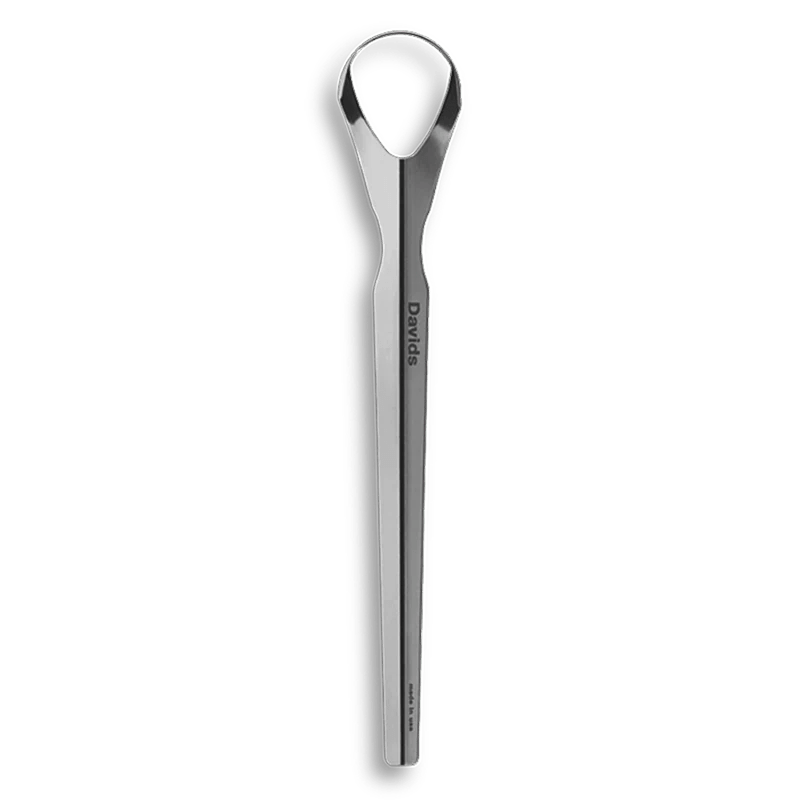
- Use a tongue scraper. Bacteria thrive in dry conditions and love to gather on the soft, cushy surface of your tongue, which can cause bad breath. A tongue scraper solves this issue by removing that film of bacteria from your tongue. Davids single-handed, stainless-steel tongue scraper is quick, smooth, and easy to use.
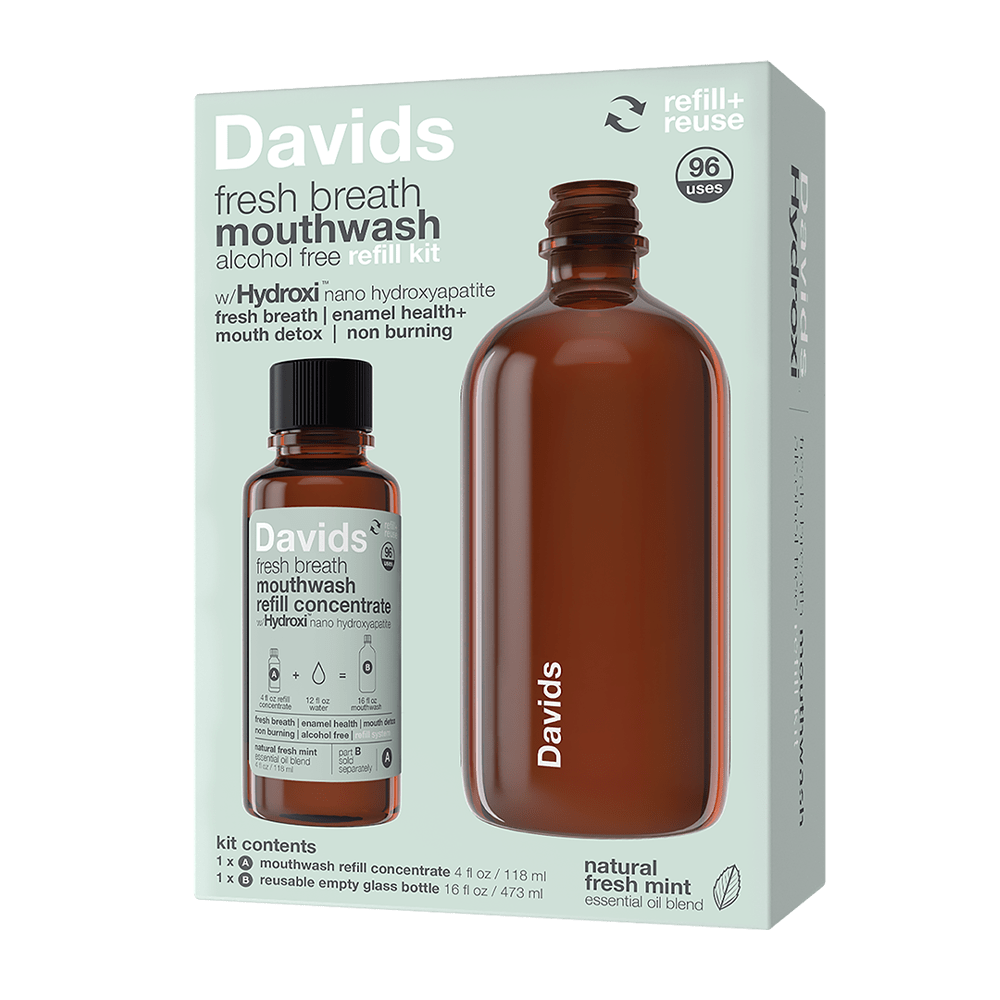
- Carry alcohol-free mouthwash with you. Alcohol-based mouthwashes can be harsh and contribute to mouth tissues drying out, which compounds the dry mouth that you might already have on a GLP-1 medication. Our fresh breath formula is alcohol free, and it also contains xylitol and nano hydroxyapatite so you have a gentler, burn free option to reach for between brushing sessions when your mouth is already under stress.
- Visit your dentist more frequently. Every six months may not be enough during active GLP-1 medication use, especially during the dose-escalation phase when GI side effects ramp up. Ask your dentist about shifting to every three to four months, and be sure to tell your dentist you’re on a GLP-1 medication! It changes the clinical picture and allows them to monitor for early signs of oral issues before they become more serious.
While healthy habits form the foundation of protecting your smile, the products you use every day can provide an extra layer of support when your mouth is under increased stress.
How Davids’ products can help
When it comes to addressing the specific vulnerabilities that GLP-1 medications can create, not all oral care products are created equal. Here’s a closer look at some of the ingredients in Davids products and the thinking behind them, in the context of the concerns mentioned above.
Nano-hydroxyapatite for enamel health and sensitive teeth
Hydroxyapatite is the mineral that makes up approximately 97% of tooth enamel. Davids uses nanoXIM nano-hydroxyapatite (nHA) which is engineered to mimic the chemical structure of your tooth’s natural building material.
Our premium Hydroxi™ products use nanoXIM for its consistent, rod-shaped nano-hydroxyapatite particles that are approximately 50 nm in size and has the material specifications required for maximum performance and safety.
nanoXIM nano-hydroxyapatite is a key ingredient in Davids Hydroxi™ line of products, which we formulated for performance first and supporting enamel health. If you’re managing dry mouth or increased acid exposure from a GLP-1 medication, it’s an ingredient worth knowing about.
Pro Tip: While many brands of toothpaste will claim to use nano-hydroxyapatite, there is a huge spectrum of different material specifications, quality, and consistency which dictate how effective, efficient, and safe the ingredient might be. Regardless of percentage claims, quality beats quantity. We encourage consumers to reach out to toothpaste brands and confirm they use nanoXIM from Fluidinova before making a purchase.
Xylitol for dry mouth
This plant-derived sugar alternative can stimulate saliva flow, even for those with dry mouth. On top of that, S. mutans (the bacteria known to harm and erode enamel) can’t properly metabolize xylitol. When these bacteria consume it, it disrupts their energy production and limits their ability to grow and produce enamel-eroding acids. This makes xylitol an incredible ingredient for people taking GLP-1 medications and others dealing with dry mouth.
At Davids, we source our premium xylitol from birch trees, which is considered the best option for both you and the planet.
Micro-abrasives for safe, gentle cleaning
You’ll find high-quality, naturally sourced and naturally derived, gentle polishing agents (called micro-abrasives) in our toothpaste formulas. Some examples include hydrated silica and calcium carbonate, which is sourced from a quarry in Pennsylvania.
These ultra-fine, low-abrasion ingredients gently polish the surface of your teeth, leaving them feeling smooth and clean.
A few tips for talking to your dentist
One of the most important things you can do if you’re on a GLP-1 medication is to tell your dentist! This is still a relatively new area of medicine, but more and more dentists are recognizing the oral implications of these medications and providing advice and support. The sooner your provider knows, the better they can tailor your care. For example, they can:
- Monitor for early-stage enamel erosion patterns
- Adjust your visits and cleaning schedule
- Recommend additional protective measures specific to your situation
If you are taking, thinking about taking, or are just starting to take a GLP-1 medication make sure to let your dentist know which medication you’re on, the dose, and how long you’ve been taking it or are planning to take it.
Frequently asked questions
Does a GLP-1 medication cause dry mouth?
It can contribute to it, though it isn’t officially listed as a side effect on current FDA drug labels. The American Dental Association now includes GLP-1 receptor agonists among medication classes linked to oral dryness, and a 2022 review of FDA adverse event data flagged dry mouth as an emerging, though still uncommon, reported signal for semaglutide.
What is “Ozempic teeth”?
It’s the informal term for the group of dental changes (dry mouth, bad breath, enamel erosion, and gum sensitivity) that some people notice while on a GLP-1 medication. It’s not a clinical diagnosis, just a useful shorthand for a pattern rooted mainly in reduced saliva flow.
Which GLP-1 medications are most likely to cause oral side effects?
Any GLP-1 receptor agonist, including semaglutide (Ozempic, Wegovy) and tirzepatide (Mounjaro, Zepbound), can potentially affect saliva flow and appetite in ways that lead to oral side effects. Individual response varies a lot, and the dose-escalation phase (when GI side effects like nausea are most common) tends to be when people notice the most change.
How can I treat or prevent dry mouth from a GLP-1 medication?
Start with the basics:
- sip water throughout the day
- avoid alcohol-based mouthwash
- don’t skip flossing
- talk to your dentist
Many people also find it worth telling their dentist they’re on a GLP-1 so visits and cleanings can be adjusted accordingly. For specific product recommendations, see the routine and ingredient breakdown above.
This article is for informational purposes only and isn’t a substitute for professional medical or dental advice. If you’re experiencing new or worsening symptoms, talk to your doctor or dentist.
The bottom line
GLP-1 medications are a meaningful tool for millions of people managing blood sugar, weight, appetite, and so many related health conditions. But taking these medications doesn’t have to come at the price of your oral health.
The good news is that the dental side effects of GLP-1 medications are indirect. They are driven by reduced saliva flow and GI symptoms. That means a proactive routine, the right ingredients, and regular dental visits can make a huge difference.
While our Hydroxi™ line is designed to support everyone’s oral health, its thoughtfully selected ingredients are especially helpful for many of the challenges GLP-1 users face. You can expect:
- Support for sensitive teeth and enamel health through nano-hydroxyapatite
- Saliva stimulation and bacteria reduction through xylitol
- Clean, polished enamel through gentle polishing agents
- Fresh breath through natural mint oils, baking soda, and reduced bacteria
Your body is working hard on a GLP-1 medication. Your mouth deserves a little extra support!