



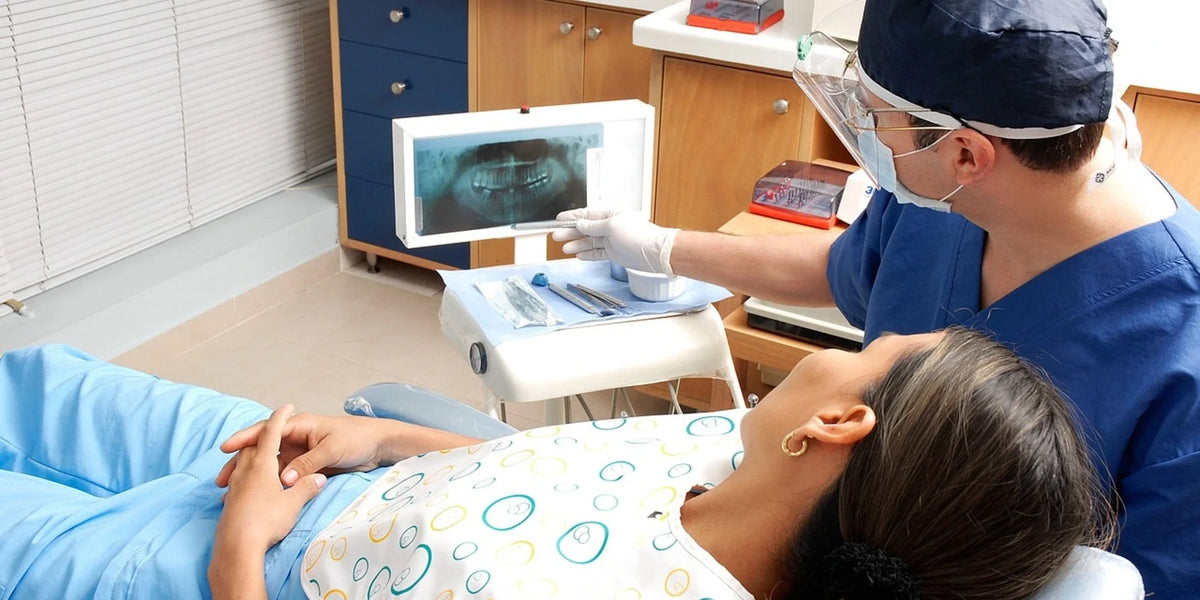
key takeaways
- The leading causes of oral cancer internationally include tobacco, alcohol, certain HPV infections, and betel quid or areca nut use. Tobacco and alcohol together can raise risk further.
- Reducing known oral cancer risk factors can lower risk, but no routine or product can guarantee prevention.
- Awareness of oral cancer includes knowing which persistent changes should be evaluated by a dentist or medical professional.
- The 7 ways to prevent oral cancer below focus on lowering risk and supporting early detection.
November is Mouth Cancer Action Month, a focused opportunity to strengthen oral cancer awareness and review its causes. At Davids, we are passionate about all things related to oral care, so we can’t pass up the chance to share a cause that is near and dear to us.
Here is our guide to the types of oral cancer, their causes, and some simple preventative tips.
Note: This article is educational and does not replace medical care. Seek professional evaluation for persistent sores, lumps, unexplained bleeding, swallowing problems, or other concerning changes.
leading causes and risk factors
The causes of oral cancer are not identical for every person, and some cases have no obvious explanation. The National Cancer Institute identifies tobacco, alcohol, betel quid, prior oral cancer, and other exposures among important oral cancer risk factors. Understanding these risks can support more informed decisions about prevention and screening.
1. tobacco use
Tobacco is one of the most important causes of oral cancer. Cigarettes, cigars, pipes, chewing tobacco, and snuff can expose mouth and throat tissues to carcinogens. Risk rises with greater exposure, while quitting lowers risk over time.
2. alcohol use
Alcohol is another major factor among the causes of oral cancer. Risk rises with intake, and cutting back or quitting is a sensible way to reduce that danger.
3. combined tobacco and alcohol use
Tobacco and alcohol can compound one another, with a combined risk much higher than either by itself. This shows how awareness of oral cancer must consider patterns of risk, not just one isolated habit.
4. high risk hpv infection
Certain strains of human papillomavirus, especially HPV 16, are strongly linked to oropharyngeal cancer involving the tonsils and base of the tongue. This matters not only with the types of oral cancer, but with nearby head and neck cancers.
5. betel quid and areca nut use
Chewing betel quid, with or without tobacco, is an established risk factor and one of the most common and recognized causes of oral cancer internationally.
why oral cancer awareness matters
Oral cancer awareness also means noticing persistent changes and getting them evaluated. CDC guidance on oral cancer notes that symptoms can include a sore, irritation, lump, thick patch, or other mouth or throat changes that do not go away. Earlier detection is associated with better outcomes, so regular dental and medical care matters.
The types of oral cancer can involve the lips, tongue, gums, floor of the mouth, cheek lining, or palate. Self inspection can help you notice changes, but it cannot faultlessly diagnose cancer.
reduce your risk: 7 ways to help prevent oral cancer
While there is no surefire way to avoid oral or any kind of cancer, certain steps can reduce your risk or otherwise catch it early. Here are seven ways that can help prevent oral cancer:
1. do not use tobacco
Avoid cigarettes, cigars, pipes, and smokeless tobacco. If you currently use tobacco, quitting is one of the most important risk reduction steps. The National Cancer Institute prevention guidance identifies tobacco avoidance as an important way to reduce risk.
2. limit alcohol
Limiting alcohol reduces exposure to another major risk factor. Because alcohol and tobacco together multiply the harm considerably, addressing both matters.
3. ask about hpv vaccination
The CDC explains the link between HPV and oropharyngeal cancer and recommends routine HPV vaccination at ages 11 to 12, with catch up vaccination through age 26. Some adults ages 27 through 45 may consider vaccination after talking with a healthcare professional.
4. avoid betel quid and areca nut
Avoiding betel quid and areca nut removes another easily preventable exposure associated with cancers of the oral cavity and throat.
5. protect your lips from ultraviolet exposure
Ultraviolet radiation can increase the risk of lip cancer, but we often forget about our lips when we think about caring for our skin and face when we're out and about. Use sun protection for the lips and surrounding skin when outdoors.
6. keep regular dental visits and pay attention to changes
The best prevention is early detection, as they say.
Regular dental visits create opportunities to discuss changes in your mouth. Mouth sore prevention is not the same as cancer prevention, and a sore does not automatically mean cancer, but a persistent or unusual area deserves professional attention.
The field of dental science is constantly evolving, which means taking care of yourself not only helps you, but also your dentist and possibly others!
7. keep a consistent routine so changes are easier to notice
Brushing and flossing support everyday oral health, but they do not prevent cancer alone (wouldn’t that be nice!). That means simply taking good care of your mouth by brushing frequently, flossing, and performing other ongoing hygiene care can be the first step in noticing something doesn’t feel or look right.
Together, these 7 ways to prevent oral cancer focus on modifiable risks, vaccination, professional care, and oral cancer awareness. Awareness, prevention, and early detection work together to keep you stay informed and ask your dentist better questions.
make awareness part of routine oral care
Dentists worldwide know that routine awareness campaigns can also play a big part in supporting better health outcomes. While the United States observes Oral Cancer Awareness Month in April, our friends across the pond recognize November as Mouth Cancer Action Month.
These collective efforts are about better education to reduce avoidable risks, keep regular dental appointments, and advocate for your health as a patient.
Davids’ oral care products cover your everyday hygiene. For screening, diagnosis, vaccination decisions, and cancer prevention guidance, talk to a qualified healthcare professional..
subscribe to more good choices
You may only see the dentist a few times a year and perform a screening during your visit, but it’s those choices you make a few times a day that really add up.
Consider a subscription so you never miss such an important part of your oral care.
Davids offers dental care products also such as premium toothpaste and dental floss for daily hygiene, while oral care kits keep the basics together. These products support oral care, not cancer treatment. Davids also offers mineral toothpaste and fluoride free kids toothpaste.
frequently asked questions
what are the most common causes of oral cancer?
The leading causes of oral cancer and related risk factors include tobacco, alcohol, betel quid or areca nut, and certain HPV infections. Tobacco and alcohol together can increase risk much more than either on its own.
what are the main types of oral cancer?
The types of oral cancer are often described by where they first develop, such as the lips, tongue, gums, floor of the mouth, cheek lining, and palate. Most oral cavity cancers are squamous cell carcinomas.
can oral cancer be prevented?
Not every case can be prevented. Avoiding tobacco, limiting alcohol, avoiding betel quid or areca nut, considering HPV vaccination when appropriate, and protecting the lips from UV can reduce important risks and strengthen your awareness of oral cancer.
when should a mouth sore be checked?
Many mouth sores are harmless. A sore or other change that persists, worsens, or concerns you should be evaluated by a dentist or healthcare professional.


