



May is Women’s Health Month, a time dedicated to encouraging girls and women to prioritize their overall well-being and share ideas to do exactly that.
What better time to talk about the unique ways women’s bodies adapt and evolve over time and how these changes can show up in your smile? Because the truth is, there’s one important piece of the women’s health conversation that often gets overlooked: your oral health. We’ll be the first to remind you that your smile isn’t separate from the rest of your body…it’s deeply connected to it.
From childhood all the way through menopause and beyond, natural hormonal and biological shifts can influence everything from your gum health to your enamel strength. Add in other factors like stress, medications, and the natural aging process, and it’s easy to see why your oral care needs can change over time.
The good news? When you understand and expect these changes, you can take a more proactive, informed, and holistic approach to your care. Because supporting your oral health isn’t just about maintaining a bright smile…it’s about protecting your overall health at every stage of life!
what makes women’s oral health unique?
Oral health is deeply connected to what’s happening throughout the body, from immune function to hormonal fluctuations. Though it can feel exhausting to hear about “hormonal fluctuations” time and time again, the truth is that they play a huge role in so many aspects of your health as a woman, including your:
-
Energy
-
Mood
-
Metabolism
-
Stress response
-
Inflammatory response
-
And so much more!
Some of these aspects (like stress and inflammation) can show up directly in your mouth. Sounds weird, but it’s true! Let’s meet a few hormones that can impact your oral health throughout different stages of your life.
-
Estrogen impacts things like your gum tissue, bone density, and saliva production. Fluctuations can make your gums feel more sensitive and affect how your teeth can protect themselves against outside threats (bacteria, acids, etc).
-
Progesterone can increase blood flow to your gums, sometimes causing tenderness, swelling, bleeding gums, and other heightened inflammatory responses.
-
Testosterone shows up in smaller amounts in women, but it contributes to tissue repair and immune response, which can affect the resilience of your oral tissue.
-
Cortisol is the infamous stress hormone! High levels of it can reduce saliva flow and increase inflammation, making your gums more vulnerable.
-
Thyroid hormones such as T3 and T4 influence your metabolism and can indirectly impact your oral tissue and gum health.
Throughout the various phases of your life, these hormones fluctuate and impact the soft tissue and “ecosystem” inside your mouth. These shifts don’t just affect how your mouth feels…they can impact how your body responds to bacteria, ultimately shaping your oral health over time.
You might notice these shifts more when you move through different phases of life, like puberty, pregnancy (if applicable), starting/stopping new medications, perimenopause, menopause, and beyond. Symptoms like sensitive teeth, bleeding gums, dry mouth can feel like they’re “appearing out of left field” during these drastic hormonal milestones. So to help you avoid that “surprise” feeling, let's take a closer look at what you can expect during these phases and how you can prepare.
women’s oral health through the years
teen years and early adulthood
Puberty is the first time many women experience hormonal shifts in a noticeable way, making the teen years an important starting point for understanding how oral health and hormones are connected.
During this stage, surges in estrogen and progesterone can increase blood flow to the gums and amplify inflammation, which can lead to sensitivity, swelling, occasional bleeding, and dry mouth. At the same time all of this is happening, teen girls/young women are starting to solidify their long-term oral care routines. Daily habits like brushing, flossing, tongue scraping, oil pulling, and using alcohol-free mouthwash (hopefully) start to become part of everyday life.
When those habits are strong and consistent, they can help balance out some of the increased sensitivity happening beneath the surface. But if these habits fall to the wayside, it can add fuel to the fire.
Tip: Consistent, gentle, and effective oral hygiene at this stage can lay the foundation for decades of healthy teeth and gums…and help offset some of the hormonal fluctuations happening.
medication changes
No matter what age you are, starting or stopping medications can impact your mouth in unexpected ways. Many commonly used medications, like antihistamines, antidepressants, or blood pressure medications, can reduce your saliva production, leading to:
-
Dry mouth
-
Increased sensitivity
-
Enamel wear
-
Increased risk of tooth decay
We just mentioned how hormonal fluctuations can directly impact your oral health, so it’s also worth noting that medications like hormonal contraceptives or hormone therapies can have a similar effect. Sometimes, they can mimic pregnancy-like side effects in your mouth, causing tenderness, swelling, or bleeding gums in your gums and tissue.
Tip: If you notice changes in your mouth after starting a new medication, talk with your doctor and your dentist. Adjusting your health plan and/or your oral care routine can help prevent long-term negative effects.
pregnancy and postpartum
Pregnancy is an infamous time for oral health changes (at the very least), thanks to surges in estrogen and progesterone. These dramatic hormonal shifts can make your gums more vulnerable to inflammation, swelling, tenderness, and/or bleeding…a condition known as "pregnancy gingivitis”. Studies estimate that up to 60–75% of pregnant women experience it!
This happens because:
-
Elevated hormone levels can amplify your body’s inflammatory response to plaque, making your gums more sensitive and reactive…even when your oral hygiene habits stay exactly the same.
-
Morning sickness can also expose your enamel to stomach acid more often than usual, increasing the risk of erosion.
-
Depleted hormone levels, stress, and sleep disruptions postpartum can continue to impact your oral health in many different ways after the baby arrives.
Tip: Gentle brushing, flossing, and rinsing with water after acid exposure (from morning sickness or certain acidic cravings) can help protect your enamel. And of course, we highly recommend regular dental visits before, during, and after pregnancy!
perimenopause
Perimenopause is the transitional phase that happens before menopause, usually in your mid-to-late 40s (but it can sometimes start early in your late 30s or early 40s). Estrogen levels can fluctuate a lot during perimenopause, causing symptoms like irregular periods, hot flashes, mood instability, and oral health changes such as:
-
Tender, inflamed gums
-
Dry mouth due to decreased saliva production
-
Sensitive teeth (especially when you eat/drink something hot, cold, or sweet)
These changes can feel sudden or confusing, especially if your daily routine hasn’t changed. So if you’re around the age window of perimenopause and you’re noticing new gum sensitivity, dryness, or irritation, hormones could be the missing puzzle piece!
Tip: It’s worth visiting your doctor to confirm if perimenopause is the culprit. But no matter what, using oral care products designed to remineralize enamel and support sensitive teeth (like our Hydroxi™ lineup) can make a huge difference before, during, and after this stage.
menopause
As perimenopause transitions to full menopause, it can come with even more dramatic hormonal shifts. At this point, estrogen levels drop, affecting your entire body…from your bones and cardiovascular system to your mouth.
As you’ve seen from other sections in this article, estrogen plays a key role in regulating savia production and sending the right amount of blood flow to your gums. As levels drop, your mouth can become more vulnerable, leading to things like:
-
Noticeable dry mouth
-
Altered taste (you may be more reactive to strong flavor profiles)
-
Increased gum inflammation, redness, or bleeding
-
Thinning oral tissue (that feels easily irritated)
-
Even more heightened tooth sensitivity
Tip: It’s extremely important to stay hydrated, use gentle oral care products, and keep up with your regular dental check-ups to manage these mouth-related menopause symptoms. Ingredients like nano-hydroxyapatite can support enamel repair and protect your teeth as natural defenses start to take a break (more on that in a later section).
post menopause, aging, and other long-term changes
After menopause, hormonal levels stabilize at a lower baseline. But the long-term effects of aging (and the hormonal shifts that have already happened) can continue to influence your oral health. For example:
-
Your enamel can continue to weaken over time
-
Your gums may gradually recede, exposing tooth roots and causing even more sensitivity
-
Medication stacking and chronic conditions can make dry mouth feel even worse
-
Bone density changes can affect tooth health and stability
Tip: Focus on protective oral care that supports remineralization, sensitive teeth, and long-term gum health…like Davids! Routine dental visits, proper hydration, and enamel-strengthening oral care products can help you maintain a strong, healthy smile well into your golden years.
common threads in women’s oral health
As you can see, each life stage brings its own changes…but there are a few underlying patterns or “common threads” that tend to show up again and again. Let’s dive a little deeper into them and why they matter so much for your long-term oral health.
saliva changes
Saliva might not get much attention day-to-day, but it plays a crucial role in keeping your mouth healthy. It helps neutralize acids in your mouth (introduced by food and bacteria), washes away debris, supports enamel remineralization, and so much more.
When saliva production decreases (whether from hormonal changes, medications, daily habits, or the aging process), you may notice things like dryness, uncomfortable sensitivity, and bad breath.
Over time, less saliva means less protection for your teeth and mouth, which becomes especially important over time. Research shows that dry mouth increases the risk of tooth decay, particularly in spots where saliva plays a protective role (like along the gumline and between teeth).
enamel weakening
We’ve mentioned enamel (and enamel wear/weakening) quite a few times already, so let’s dive into what they mean. Enamel is the outermost layer of your teeth, and it’s the hardest substance in your body! It puts up a strong defense against bacteria, plaque, and acids, but its fatal flaw is that once it’s weakened, it doesn’t automatically “come back” on its own.
The good news is that you can adopt habits to remineralize it and protect it (especially during those periods of life when saliva levels are lower) to preserve your comfort and long-term oral health. Don’t worry, we’ll share more tips to help you protect and remineralize it a little later in this article.
gum and tissue vulnerability
Beyond enamel and saliva, the soft tissues in your mouth (gums, ligaments, and mucosa) naturally become less resilient with age. This means they may take more time to recover from things like irritation, brushing, or plaque buildup, making small disruptions feel more noticeable than they used to be.
time (and the “exposures” that add up over time)
In an article about aging, it’s only fair to talk about time! Oral health is shaped by time and accumulation. Years of acid exposure, brushing habits, dietary patterns, medications, bodily changes, and hormonal fluctuations all add up. Even subtle shifts in your oral health that feel “new” are often the result of long-term layering…not a single cause.
We mention this because it can help you make sense of oral health changes that seem to appear overnight. This bigger-picture thinking can also help you reframe oral care throughout the various phases of your life. Instead of thinking of it as a reactive “fix-it” response, think of it as a proactive support system that helps you maintain balance over time.
how to support your ever-evolving oral care needs
As you can see, women’s oral health isn’t always simple, especially as your body evolves through different life stages. Many conventional products are designed for a one-size-fits-all mouth rather than a dynamic oral environment that evolves over time…bringing about different surprises like dryness, sensitivity, and enamel wear through different phases of life.
But at Davids, we take a different approach. Our products are formulated to support your oral health at every stage, even as your needs evolve. We accomplish this through our premium, innovative oral care products…made with thoughtfully selected, naturally sourced and derived ingredients.
Take nano-hydroxyapatite (nHA) as an example. It’s a biomimetic mineral that closely mirrors the structure of your natural enamel. Instead of simply cleaning the surface of your teeth, it helps support your teeth at a structural level, working to replenish lost minerals and reinforce the parts of your enamel that have been weakened over time.
This makes it especially useful during life stages when:
-
Saliva levels shift
-
Enamel becomes more exposed
-
Sensitivity is more noticeable
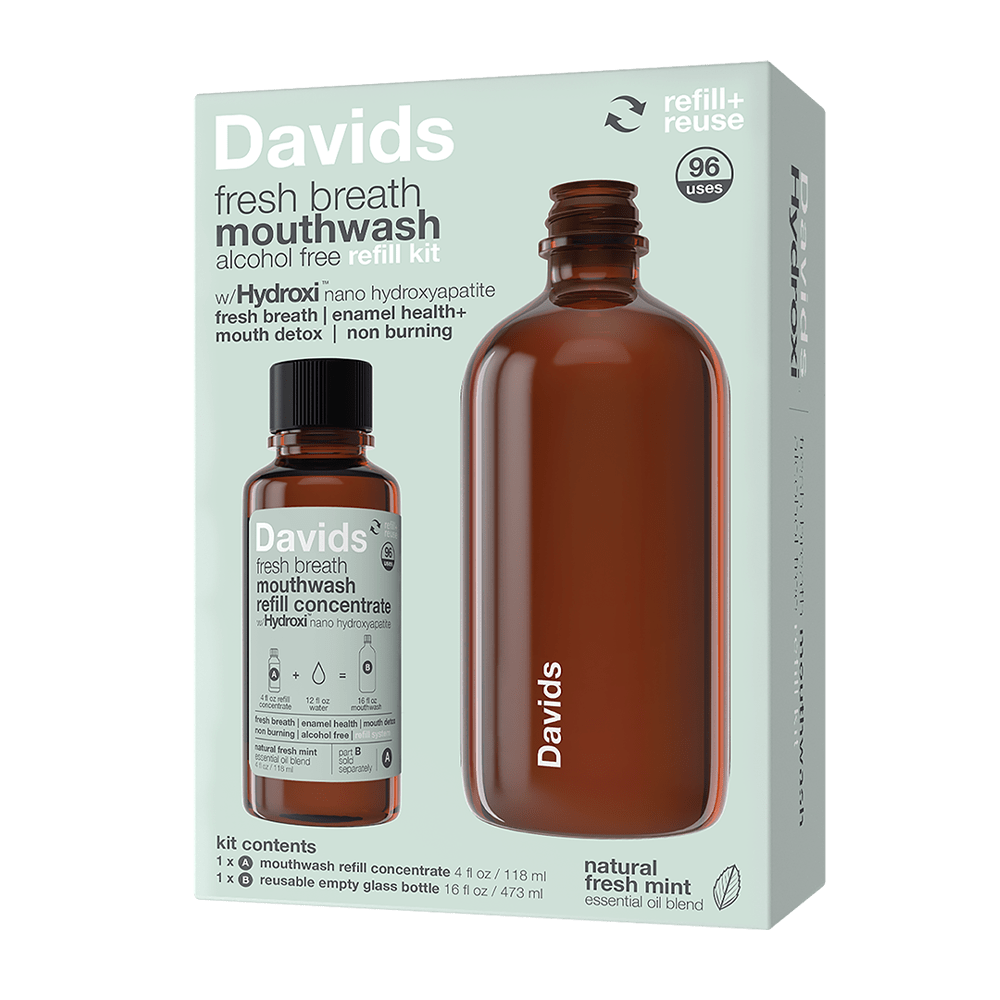
Our Hydroxi™ toothpaste, oil pulling oral rinse, mouthwash, and expanding floss are formulated with this idea in mind: to support strengthening, comfort, and protection as your oral needs evolve. Because oral care shouldn’t just clean your teeth…it should help support your entire mouth through every stage of life.
So treat yourself to some gentle, supportive, and effective Hydroxi™ oral care products this Women’s Health Month, and take this as a gentle reminder that no matter what phase of life you’re in…your mouth and body are deeply intertwined, and that’s always worth celebrating!