



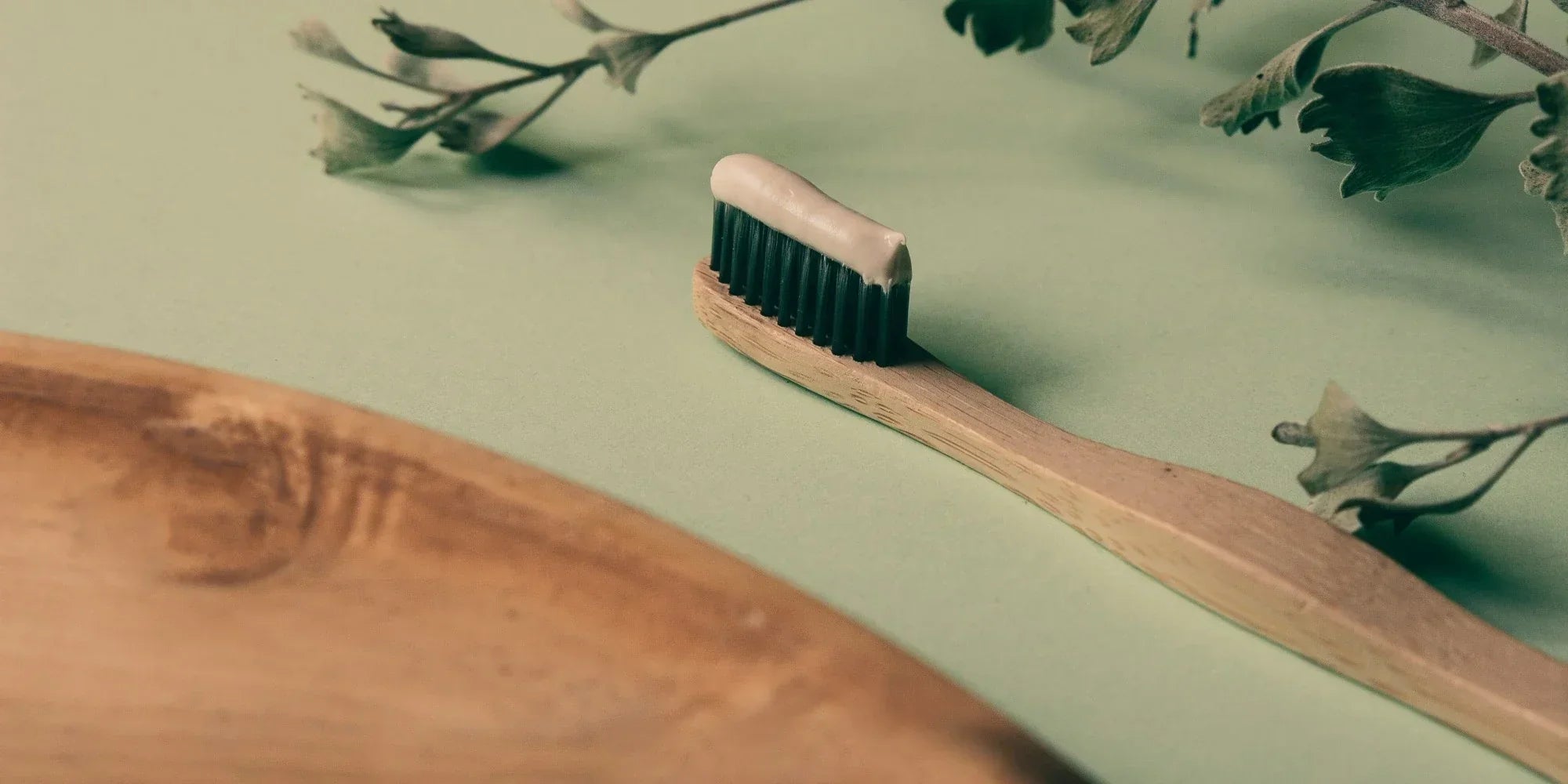

what to know about vegan-friendly toothpaste and whitening
key takeaways Like standard toothpaste, vegan-friendly toothpaste can support surface stain removal, but results depend on ingredients and habits. Look for micro-abrasives like calcium carbonate and hydrated silica, as well as nano hydroxyapatite in vegan whitening formulas. Realistic expectations and consistent oral care matter as much as the toothpaste you choose. Cause-driven shoppers dominate the market, especially in the health and beauty space. Many people look for cruelty-free and environmentally conscious brands to support. However, they still want credible and effective products, such as whitening toothpaste that works. Vegan-friendly toothpaste may deliver on the cause front, but does the product's efficacy deserve consumer support? Much of the answer depends on the toothpaste ingredients and manufacturing process, but a great deal more rests on individual habits and overall oral care. Vegan toothpastes are not identical. The ingredients and formulations vary, which leads to differences in expectations and use cases. To find the option that works best for your smile, you need to understand the ingredients, the limitations, and what to realistically expect from vegan-friendly whitening toothpaste. how do you know if a toothpaste is vegan-friendly? You know a toothpaste is vegan by checking its ingredients and label for official certifications. For example, the Leaping Bunny logo found on Davids Toothpaste certifies the brand is cruelty-free and does not require or use animal testing across its entire product line, not just select products. Many standard toothpastes, those not designated as vegan, use hidden animal ingredients, such as glycerin from animal fats, propolis from beehives, calcium phosphate from animal bones, or nano hydroxyapatite from eggshells. Vegan-friendly toothpaste also uses glycerin, but brands typically specify it as plant-based or vegetable glycerin. Some brands that sell vegan, cruelty-free toothpaste may not be cruelty-free across all product lines, which is why third-party certifications are worth looking for. how does whitening toothpaste work? There are two types of whitening toothpastes: extrinsic formulas and intrinsic formulas. Extrinsic formulas are the most prominent and use micro abrasives, such as hydrated silica or calcium carbonate. These ultrafine ingredients act as polishing agents, helping to gently scrub away stains and surface buildup. Intrinsic formulas claim to penetrate the enamel to whiten the dentin underneath. These formulas usually use a chemical, such as hydrogen peroxide or carbamide peroxide. The question is whether these toothpaste formulas are strong enough or fast-acting enough to penetrate the tooth’s surface, or if they are damaging the enamel. For common stain sources such as coffee, tea, red wine, or tobacco, physical polishing agents may be more effective at addressing everyday discoloration. They work away at surface-level stains to help reveal the natural white tooth color. can a vegan-friendly toothpaste support whitening? A vegan whitening toothpaste can be an effective option for surface stain removal, depending on its formula and ingredients. Most toothpastes, vegan and conventional, use mineral-derived abrasives to brighten teeth or return them to their natural color. Quality vegan-friendly toothpaste brands like Davids use ultrafine ingredients, including calcium carbonate and hydrated silica. Each compound has a different shape and density that contributes to a formula’s scrubbing and polishing strength. While formulas can make a difference in any whitening results, users must remember that these results vary by person, by habits, and by ingredients. The key is to choose a whitening toothpaste that matches your desired outcome and create a routine and ritual that supports more consistent results. what ingredients should you look for in vegan whitening toothpaste? For a vegan-friendly whitening toothpaste, look for mineral micro abrasives, plant-based oils and alcohols, and synthetic strengthening agents. Mineral-derived abrasives (touched on above) include hydrated silica and calcium carbonate. Hydrated silica is a form of silicon dioxide, commonly found in sand, whereas calcium carbonate is a soft, chalk-like substance found in limestone and marble. Each ingredient, when properly milled, is a gentle polishing agent used in toothpaste to lift surface stains and buildup without damaging enamel. Plant-based oils and alcohols, such as mint oils and xylitol, work as natural flavorings and can contribute to a fresher, cleaner mouth. Mint oils, specifically peppermint and spearmint, were the focus of a 2024 pilot study in Microorganisms, which found that mint oils helped balance the oral environment. According to a review published in Bioinformation (2026), xylitol specifically can support a cleaner oral environment by imitating a primary energy source for harmful bacteria, which may reduce these bacteria over time and contribute to a brighter smile. Nano hydroxyapatite, a compound with a chemical composition similar to that of tooth enamel and dentin, supports remineralization. A 2025 clinical review in the Journal of Functional Biomaterials found that because of their similar chemical makeup, nano hydroxyapatite can fill defects in damaged enamel while supporting enamel health. what should you realistically expect from a vegan-friendly toothpaste? A vegan whitening toothpaste, like any whitening toothpaste, has its limits, and those limitations often compete with consumer expectations. The idea that a toothpaste can provide the same dramatic results as a professional whitening procedure is unrealistic. Natural tooth shade varies from person to person. Genetics is a powerful indicator of natural tooth shade and brightness. Daily habits, including drinking coffee and smoking cigarettes, also affect the brightness of your teeth. Brushing daily and adopting a healthy cleaning routine can improve the effectiveness of whitening toothpastes. Even the best toothpaste, vegan or otherwise, can’t counter persistent habits or the absence of a healthy oral care routine. To brighten your smile, you must adopt healthy habits, commit to a specific toothpaste, and maintain a regular oral care routine. how do you choose the right formula? When looking for a vegan-friendly toothpaste, especially one for whitening, you want to scan the label for certifications and abrasives. Davids has the Leaping Bunny certification, but there are other vegan-specific labels as well, such as PETA’s “Global Animal Test-Free” logo. For the abrasives, you want to look for formulas with nano hydroxyapatite, calcium carbonate, hydrated silica, or other gentle micro abrasives. Beyond those elements, look for ingredients that can enhance the taste and texture of the toothpaste. For example, peppermint or spearmint provides a clean, fresh flavor and feel. how do you get the most out of your brushing routine? To make the most of your brushing routine, brush for two minutes twice daily. Read the directions for the toothpaste you choose. Some formulas have active ingredients, which means you shouldn’t rinse right away. You should also pair your brushing routine with other oral care habits, such as flossing, tongue scraping, and regular dental visits. Finally, for better whitening results, avoid stains from coffee, tea, red wine, and tobacco. is vegan-friendly toothpaste the right choice for you? A vegan-friendly whitening toothpaste can be a practical option for shoppers who want plant-based personal care without sacrificing oral care performance. The choice is about finding an option that fits your values, sensitivity needs, and daily routine. Davids is a cruelty-free, vegan-friendly toothpaste brand that’s made in the USA without artificial colors, flavors, or preservatives. Many Davids toothpaste formulas are also EWG VERIFIED® and come in recyclable metal tubes. Clean up your oral care routine with Davids.
Learn more
what makes toothpaste foam? about sodium cocoyl glutamate
key takeaways Foaming agents in toothpaste, known as surfactants, lower surface tension to create the lather you feel while brushing. Each foaming agent has a distinct profile and foaming effect, including sodium lauryl sulfate (SLS), sodium laureth sulfate (SLES), and sodium cocoyl glutamate (SCG). The surfactant in your toothpaste matters; choosing a naturally derived option like SCG aligns with a clean ingredient oral care routine. For some people, it’s a fun side effect of brushing; for others, it’s a sign of a thorough clean. But what makes toothpaste foam up, anyway? Does the foam actually contribute to cleaner teeth or healthier gums? The driving forces behind that lathered smile are the foaming agents in toothpaste, otherwise known as surfactants. This guide explores these compounds to showcase their unique properties and how they benefit your oral care routine. the science behind toothpaste foam Surfactants are detergents, but their key role in toothpastes is as foaming agents. They comprise dual-action molecules, each containing a water-loving (hydrophilic) head and water-repelling (hydrophobic) tail. These molecules work together to lower the surface tension of the toothpaste formula, allowing air into the mix and creating foam. The foam can help loosen and lift food particles, plaque, and other debris, allowing it to be rinsed or brushed away. The type of foaming agent and its strength determine the lathering effect and how it feels. Milder foaming agents are often preferred for their gentler feel and clean ingredient profile. common foaming agents in toothpaste While surfactants make toothpaste foam, the most common ones have different profiles, contributing to the way they lather and affect the mouth. The most common foaming agents are sodium lauryl sulfate (SLS), sodium laureth sulfate (SLES), and sodium cocoyl glutamate (SCG). Sodium lauryl sulfate is the most common foaming agent used in commercial toothpastes, as well as many shampoos, bubble baths, and shaving foams. It creates a thick foam. However, recent studies, including a literature review published in the Journal of Dentistry (2023), suggest SLS can act as an irritant, triggering canker sores. Sodium laureth sulfate is also a foaming agent popular in toothpaste and is created from SLS in a process called ethoxylating. The process increases the size of SLS molecules, making them less likely to penetrate the skin or oral tissues, producing a gentler experience. SLES is said to produce a creamier lather and milder experience. Finally, sodium cocoyl glutamate is an amino acid-based surfactant, naturally derived from coconut oil and fermented corn or fruit glucose. Its lather is fine and creamy and designed for biocompatibility with your mouth. It’s mild and often found in gentler toothpaste brands, especially brands like Davids that care about their ingredient quality and sourcing. the role of sodium cocoyl glutamate in Davids toothpaste Davids uses SCG in its products because it creates a rich, creamy lather that’s recognized as a non-irritating and non-sensitizing foaming agent in toothpaste, as reviewed and verified by a literature review published in Dental and Medical Problems (2022). The review authors also noted the biocompatibility with oral cavity tissue. Beyond its compatibility and ability to make Davids toothpaste foam reliably, SCG is a vegan ingredient. Produced from coconut oil and corn or other fruits, it doesn’t use animal-derived ingredients, nor is Davids SCG tested on animals. As a Leaping Bunny certified company and EWG VERIFIED®, Davids products must meet and uphold strict standards, ensuring every ingredient is rigorously vetted for safety and transparency. foaming agents and your oral care routine The right foaming agent depends on your dental needs and possibly your convictions. SLS and SLES surfactants are common in commercial toothpaste brands. SCG is growing in popularity, especially among brands that prioritize clean ingredients. Davids is a brand that prioritizes naturally derived ingredients that complement a vegan friendly approach. We use premium ingredients to create products that are cruelty-free and Leaping Bunny certified. When it comes to foaming agents in Davids toothpaste, SCG is the choice. Are you ready to experience the Davids difference? Then, trust nature to brighten your smile and choose Davids. frequently asked questions is foaming toothpaste safe? Whether foaming toothpaste is safe for you depends on your specific dental needs and the surfactants or foaming agents in the toothpaste. Some brands use sodium lauryl sulfate (SLS), which a literature review published in the Journal of Dentistry (2023) argues can cause canker sores and tissue irritation. Davids uses sodium cocoyl glutamate (SCG) because it is a gentle, naturally derived foaming agent, making it well-suited to daily brushing. does more foam mean cleaner teeth? No, the quantity of foaming agents in a toothpaste aren’t necessarily the mark of a quality product. A surfactant and foaming agent, such as sodium cocoyl glutamate, complements the overall toothpaste formula. It helps that formula cover the teeth and gums, allowing other ingredients like nano hydroxyapatite, calcium carbonate, and hydrated silica to get to the areas where they can do the most good. In other words, it isn’t the ingredient by itself, but acting in combination that helps. is sodium cocoyl glutamate vegan? Sodium cocoyl glutamate is what makes Davids toothpaste foam, and it is, indeed, vegan. The ingredient combines fatty acids from coconut oil with fermented glucose from corn or other fruits. It’s not a synthetic compound and provides a gentle, even lather to help toothpaste formulas cover the teeth and gums. is sodium cocoyl glutamate safe? Yes, according to the latest safety assessment of amino-based surfactants published in the International Journal of Toxicology (2017). The authors, a panel of cosmetic ingredient review experts, found that sodium cocoyl glutamate (SCG), a foaming agent in toothpaste and personal care products, is safe for use, including in products designed for mucous membranes. As always, research the credentials and certifications of any toothpaste brand you choose.
Learn more
the psychology smiling: how it shapes your confidence, mood, and first impressions
Your smile is one of the first things people notice about you, often before you’ve said a single word. It can signal confidence, warmth, and approachability. But more importantly, your smile has an important relationship with how you feel.
Learn more
Women's oral health: how you can support your smile through major phases of life
From childhood all the way through menopause and beyond, natural hormonal and biological shifts can influence everything from your gum health to your enamel strength. Add in other factors like stress, medications, and the natural aging process, and it’s easy to see why your oral care needs can change over time.
Learn more
the benefits of tongue scraping: a science-backed guide to fresh breath
key takeaways Tongue scraping removes volatile sulfur compounds more effectively than brushing, helping combat halitosis. Regular scraping unmasks taste buds and reduces oral bacteria linked to systemic inflammation. Managing the oral microbiome with tongue scraping limits bacterial translocation. The tongue is more than a grouping of muscles and a collection of taste buds. Yes, it is the primary taste organ, but it also hosts an expansive microbial city, the tongue dorsum microbiome, which is both problematic and beneficial. On the problematic side, you have a collection of tiny, hair-like projections called filiform papillae. These protrusions create a landscape of microscopic nooks and crannies, areas with low oxygen and ideal conditions for anaerobic bacteria to thrive. It’s within these tiny crevices that the bacteria break down organic matter and release volatile sulfur compounds (VSCs) or bad breath gases. It’s not all bad, however. Some bacteria are beneficial, including commensal bacteria, which help convert dietary nitrates into nitric oxide, a chemical essential to blood pressure regulation and heart health. Davids professional tongue scraper helps you manage this delicate ecosystem. With the precision-engineered, medical-grade stainless steel tool, you can experience all the benefits of tongue scraping while reducing risks to your oral microbiome. halitosis reduction and other clinical benefits A tongue scraper allows for the mechanical removal of the tongue dorsum biofilm, the white tongue coating or film, known as the lingual patina, that’s home to halitosis-producing compounds (hydrogen sulfide and methyl mercaptan). Brushing also reduces these VSCs, but not as effectively. A 2004 study published in the Journal of Periodontology found that tongue scrapers eliminated 75% of oral VSCs, while toothbrushing only eliminated 45%. Though not a recent study, the conclusion and support still stand and are supported by more recent reports, including a 2024 article in the Journal of Indian Society of Periodontology and a 2026 Cochrane review. Odor-causing bacteria congregate on the posterior third of the tongue, meaning towards the back of the mouth. A typical toothbrush doesn’t have the correct profile for reaching this location without activating the gag reflex. The benefits of tongue scraping belong to its sleek, low-profile design, allowing easy reach without prompting unpleasant biological responses. While a tongue scraper is a superior tool for managing and eliminating bad bacteria, a primary cause of halitosis, its benefits don’t stop there. From serving as a multiplier of oral hygiene to the established relationship between tongue scraping and gut health, the tool proves time and again its clinical efficiency. beyond fresh breath Eliminating or reducing the source of bad breath is a significant draw to tongue scraping, but it also presents several advantages for preventative dentistry and sensory health. For example, routine scraping reduces oral bacterial load, including the reduction of Streptococcus mutans, linked to tooth decay, and Porphyromonas gingivalis, linked to gum disease. A 2025 review also noted that the mechanical removal of the lingual patina with a tongue scraper unmasks taste buds previously masked by food and other oral debris. The research highlights a specific increase in salty taste intensity. The conclusion suggests this change may help people adhere to a low-sodium diet and reduce cardiovascular risks. Most clinical data points to tongue scraping as an oral hygiene multiplier when added to a typical brushing and flossing routine, meaning it only increases oral health. In fact, a 2013 study published in the International Journal of Clinical Pediatric Dentistry found that when combined with brushing and flossing, the benefits of tongue scraping resulted in a significant reduction in plaque levels within a relatively short time frame (10 to 21 days). A tongue scraper is a critical tool for oral and systemic health. The tool and activity of scraping interrupt bacterial development, reducing the risk of oral gum disease and systemic inflammation linked to heart disease, according to a 2025 article published in the Cureus Journal of Medical Science. This speaks to the relationship between tongue scraping and gut health as well. digestive health and the oral-gut axis Salivary glands produce 0.5 to 1.5 liters of saliva a day in most adults. You swallow most of that. This saliva flow, from the mouth to the gut, creates a continuous one-way transportation system for oral bacteria. Recent research, including a 2025 study published in the journal Nutrients and a 2025 report in the Journal of Oral Microbiology, states that some oral bacteria, such as Porphyromonas gingivalis and Fusobacterium nucleatum, can survive stomach acid. This is something once thought impossible. The discovery now points to a correlation between the tongue dorsum microbiome and bacterial colonization of the intestine. This new connection is creating pathways to understanding and diagnosing digestive conditions, including gastritis, according to a 2026 study. But what does this mean for the benefits of tongue scraping? The regular use of a tongue scraper, with proper technique, can reduce harmful bacteria in the oral microbiome, limiting the transport of more resilient bacteria to the intestines. proper technique and the optimal routine Tongue scraping for gut health and oral health is straightforward, but there is a technique: Placement: Place the tongue scraper head at the back third or posterior of the tongue, targeting the heavier VSC population. Keep the tool slightly angled, but near flat. Pressure: Apply light, even pressure. You’re only trying to remove the uppermost layer of biofilm. Too much applied pressure may affect microbiome balance and taste. Motion: Pull the scraper forward in a continuous motion. Don’t move the tool back and forth across the tongue, as this can push bacteria deeper into the mouth and filiform papillae. Rinse: Rinse the tongue scraper after every pull. This ensures you don’t redeposit bacteria on the tongue. Repetition: Repeat the process two to five times. The white biofilm should appear lighter when finished. As with brushing and flossing, you should use a tongue scraper at least twice daily, morning and night. Tongue scraping before or after brushing depends on the time. In the morning, it’s best to use the scraper before brushing to prevent swallowing the overnight bacterial load. In the evening, you can brush, especially with a toothpaste containing nano hydroxyapatite, which helps loosen the tongue’s protein matrix, making the benefits of tongue scraping more effective. premium oral care and Davids toothpaste Davids is here to support tongue scraping for gut health and oral health. By combining our premium, medical-grade stainless steel tongue scraper with our nano hydroxyapatite toothpaste, you can confidently clean your entire mouth and experience the benefits of fresh breath and stronger teeth. Are you ready to adopt an oral healthcare routine that’s sustainable and includes naturally sourced and derived ingredients? Shop Davids today.
Learn more
does hydroxyapatite whiten teeth? the science behind it
key takeaways: Hydroxyapatite is a mineral found in your tooth enamel and dentin, so replenishing the enamel with hydroxyapatite may help make your teeth appear whiter. Hydroxyapatite toothpaste may help brighten your teeth without irritating your gums, making it an ideal choice for those who need support for sensitive teeth. A potential benefit of hydroxyapatite toothpaste is that it can continue to whiten your teeth long-term while also helping regulate the oral microbiome. Capturing photos of life’s most exciting and meaningful events is a wonderful way to catalog your memories, but if you find yourself hesitating to share your biggest smile in them, you might be looking for options to help brighten it. If you have sensitive teeth, finding a whitening toothpaste that’s gentle on your mouth can be a challenge. Hydroxyapatite can offer a gentle, more naturally-derived option for you. Does hydroxyapatite whitening toothpaste whiten teeth, though? Let’s explore how hydroxyapatite toothpaste works and the science behind it as you look for options to brighten your smile. connection between hydroxyapatite and enamel Hydroxyapatite is a naturally occurring mineral (calcium and phosphate) comprising most of your enamel (your teeth’s outer layer) and dentin (the layer beneath the enamel). Whitening relies heavily on your enamel’s condition, so a material capable of remineralizing and smoothing your tooth’s surface directly affects how bright your teeth appear. If your enamel is porous or rough, it ends up scattering light unevenly, causing it to look more yellow. Replenishing the enamel with nano hydroxyapatite improves your tooth surface’s brightness. no bleaching required with hydroxyapatite Traditional whitening relies on using carbamide or hydrogen peroxide to lift stains. Although hydroxyapatite whitening toothpaste does whiten teeth, it doesn’t work like a carbamide or peroxide based whitener since it doesn’t bleach pigments. Instead, nano hydroxyapatite fills microfissures (hairline cracks), remineralizes (strengthens) weak areas, and smooths your enamel surface. This helps the surface appear more uniform and whiter without the need to chemically alter pigments. filling irregularities in your tooth surface with hydroxyapatite Everyday wear, brushing abrasion, and acidic foods create tiny grooves and pits in your enamel, which can darken your pearly whites by reducing shine and collecting stains. Nano Hydroxyapatite does whiten teeth because hydroxyapatite fills the defects, helping create a smoother tooth surface that looks whiter naturally and resists staining. It’s a structural and mechanical whitening effect that may produce the bright smile you desire. sensitivity reduction possible with hydroxyapatite You may be asking, does hydroxyapatite whiten teeth without causing sensitivity like other tooth whitening solutions? Tooth sensitivity may limit how frequently individuals use peroxide-based whiteners. Many people who use chemical whitening products complain about sensitivity issues. However, since Davids nano Hydroxyapatite whitening toothpastes do not use any bleaching chemicals, and actually help to remineralize the enamel, it does not lead to increased sensitivity. In fact, it helps to seal exposed tubules in the dentin (hollow tubules inside your dentin that extend from your pulp, the part of your tooth containing the blood supply and nerves), which can help to support sensitive teeth. This support helps users maintain consistent dental care routines. If you use nano hydroxyapatite toothpaste and discover that it doesn’t contribute to sensitivity issues, you may be more likely to continue brushing consistently, which supports better whitening results long term. why consider hydroxyapatite if you have sensitive teeth Peroxide whitening, for example, may be a dramatic and fast way to enhance your smile, but it might also dehydrate your enamel and irritate your gums. Hydroxyapatite toothpaste does whiten teeth as well, but it could also be a gentler option for you. It’s slower yet more gentle for sensitive mouths and teeth, strengthening your enamel rather than weakening it. length of whitening time Hydroxyapatite’s whitening effect on your teeth is more gradual. Depending on the severity of the discoloration, you may begin to notice your teeth become whiter after using Davids whitening+enamel health toothpaste twice daily for a few days or several weeks. Continuing to use Davids Hydroxi™ nano hydroxyapatite toothpaste can help to improve the quality of your enamel over time, resulting in sustained brightness. link between hydroxyapatite and the mouth’s microbiome Hydroxyapatite helps regulate the oral microbiome (the microorganism environment in the mouth), which may affect whitening by decreasing the types of bacteria known to produce acids and pigments. Since hydroxyapatite particles bind to the cell walls of bacteria, they might make it harder for some species that produce stains to stick to enamel, reducing the accumulation of plaque over time. This supports a healthier environment that is less prone to developing tooth stains. In this way, nano hydroxyapatite whitening toothpaste does whiten teeth without disrupting your mouth’s microbial balance. experience the benefits of Davids nano hydroxyapatite toothpaste today At Davids, we’re passionate about elevating overall health with toothpaste and other products featuring naturally sourced and derived ingredients. Several of our fluoride-free oral care product formulas are powered by nano hydroxyapatite, which may not only help whiten your teeth but also remineralize and support sensitive teeth naturally. Since we’re dedicated to sustainability and health, we also use recyclable metal tubes and vegan-friendly ingredients, in addition to abiding by cruelty-free practices. We craft all of our tubes with integrity. Backed by science and verified by the Environmental Working Group, our toothpaste is designed to support both a healthier mouth and a healthier planet. Clean up your oral care routine by ordering from Davids today!
Learn more
look beyond packaging in your sustainable oral care routine
Sustainability is more than just the right packaging, its also how well the product actually works. is it both effective and efficient? Take a closer look at this important piece of the sustainability conversation and how Davids high performance oral care products lead the way in both packaging and efficiency.
Learn more
spotlight on sweeteners: why xylitol in toothpaste takes the cake
key takeaways Unlike traditional sweeteners, xylitol in toothpaste is anti-cariogenic, meaning it actively prevents decay by inducing cell death in harmful oral bacteria. While sweeteners like saccharin and sucralose are purely flavorants, xylitol provides therapeutic benefits by increasing saliva flow to support natural enamel remineralization. Davids prioritizes USA-made, birch-derived xylitol to ensure non-GMO, sustainable, and high-purity ingredients. It’s hard to believe, but for much of the 19th century, dental soaps and detergents contained sugar. Scientists and manufacturers didn’t understand the link between sugar and dental health until the latter part of the century, pushing into the beginning of the 20th century. Until the discovery of this connection, manufacturers needed to mask the bitter, chemical taste of the soap. As dental science progressed into the 1940s, not only did toothpaste producers eliminate sugar from their recipes, they replaced soap with sodium lauryl sulfate (SLS), a synthetic detergent. SLS produced the same foaming and cleaning action as soap, but it lacked the intense bitterness, meaning it was possible to manufacture toothpaste without “pure” sweeteners, such as sugar. That doesn’t mean sweeteners were unnecessary. SLS was still bitter. However, the evolution led to the adoption of alternative sweeteners like sodium saccharin and xylitol in toothpaste. These ingredients, while entering the scene at different times (1940s and 1970s, respectively), offered an alternative to the ingredients of earlier centuries. Davids uses birch-derived xylitol to ensure purity and quality and minimize GMO risks. Other brands might use corn-derived xylitol or synthetic sweeteners like sodium saccharin. We prioritize naturally sourced and derived ingredients in our products. The shift toward cleaner ingredients is a modern concern. It stems from centuries of balancing flavor and function, moving from a bitter cleaning necessity to a science-backed oral care routine. an expanded history of non-sugar sweeteners While xylitol in toothpaste is common today, it was nonexistent before the 20th century. Before mass production began in the early 19th century, most oral hygiene remedies were homemade and included things like crushed bone, oyster shells, pumice, and salt. They were bitter but necessary. In the 19th century, these dentifrices used binders like honey and cane sugar to minimize bitterness. People didn’t know that sugar is a primary fuel source for harmful oral bacteria. As sugar enters the mouth, these bacteria consume it and convert it into lactic acid, which erodes enamel. The increase in dental decay and cavity cases motivated medical research and the eventual discovery of sugar as the culprit. This discovery then drove a quest to develop a toothpaste without harmful sweeteners, or at least one with less harmful ones. In 1879, Constantin Fahlberg, while researching coal tar derivatives at Johns Hopkins University, accidentally stumbled on the non-sugar sweetener, saccharin. After synthesizing a new compound from the coal tar, he noticed a sweet taste on his hands. Upon testing it, he found it to be much sweeter than sugar. Despite the excitement around Fahlberg’s discovery, debates were contentious around the sweetener. People were concerned about long-term exposure. The debates culminated in the 1970s FDA ban proposal, which was later overturned. Today, saccharin remains a popular sweetener, especially its derivative, sodium saccharin, but it’s only one of many. Xylitol in toothpaste is quickly becoming the most popular sugar alternative because of its quality and health benefits. common sweeteners and their quality Saccharin isn’t the only non-sugar sweetener in the market. There’s also sucralose and sorbitol. To understand why Davids prefers xylitol to these options, we must review each artificial substance and sugar alcohol. sodium saccharin Saccharin is a synthetic sweetener roughly 300 to 400 times more potent than sucrose (standard sugar). It’s a non-cariogenic substance, meaning that it doesn’t ferment in the mouth like sugar, so it won’t lead to enamel erosion. Unlike xylitol, saccharin is non-functional, meaning it’s purely a flavorant. It offers no therapeutic benefits. If anything, since its inception, the synthetic has undergone scrutiny, including accusations of carcinogenic properties and gut microbiome-altering effects. Most current research dispels these claims, including a 2024 study in the Springer Journal for Food Science and Biology, “Impact of Artificial Sweeteners and Rare Sugars on the Gut Microbiome”, and a 2025 review in the MDPI Journal of Diseases, “Artificial Sweeteners: A Double-Edged Sword for Gut Microbiome.” Even with cancer claims debunked and microbiome claims needing further study, sodium saccharin doesn’t provide any antibacterial action or enamel support. Xylitol in toothpaste accomplishes both. Saccharin might be a step up as a toothpaste without harmful sweeteners, but is it the best option? sucralose Sucralose is another synthetic sweetener, but it’s nearly 600 times sweeter than sucrose. Like saccharin, it’s non-cariogenic. Unlike saccharin, recent research raises significant questions about the efficacy of the substance and its long-term impact on health. Made from real sugar, the sweetener undergoes chemical alterations, replacing hydroxyl groups with chlorine atoms. This change makes the substance non-caloric. While this all sounds nice on a surface level, it once again results in an ingredient with limited benefits other than flavor. Unlike xylitol in toothpaste, sucralose is facing increased scrutiny. Recent studies, including a 2024 PMC report, suggest that sucralose disrupts the gut microbiome, leading to dysbiosis and adversely altering the intestinal microbiota. A 2022 report in the MDPI Journal of Microorganisms also found that sucralose consumption can alter glucose and insulin levels in young healthy adults. Furthermore, the Journal of Cancer Discovery published a 2025 article linking high-dose sucralose consumption to altered immunotherapy responses in mice. Research is ongoing. The current assumptions may change, but with adverse findings culminating, sucralose may join sugar in the harmful sweeteners category. sorbitol Moving on to sugar alcohols, we have sorbitol. For toothpaste without harmful sweeteners, it’s the most common sugar alcohol. It’s present as a polyol in fruits, but is often commercially manufactured from corn syrup. In toothpaste, sorbitol acts as a mild sweetener (about 60% as sweet as sugar) and a humectant, a substance used to promote moisture retention. Unlike xylitol in toothpaste, which is entirely non-fermentable, sorbitol is fermentable to some oral bacteria, meaning it’s a low-cariogenic substance. Despite this low fermentability, sorbitol still reduces bacterial counts compared to sugar, although less effectively than xylitol (44.1% compared to 64.4% over a week). This means sorbitol doesn’t actively cause cavities, but it also means it doesn’t actively prevent them. A recent and alarming 2025 study published in Science Signaling suggests a possible connection between sorbitol and liver health. For most people, the gut microbiome contains a sorbitol-degrading bacterium, which allows the sorbitol to pass through the system. The study suggests that in people without this bacterium, sorbitol may pass undigested to the liver, converting to fructose derivatives and contributing to liver disease. xylitol That brings us to xylitol in toothpaste, the current favorite of the sweeteners and sugar alcohols. Unlike the other sweeteners on this list, xylitol is anti-cariogenic, which means it actively prevents decay. While other sweeteners are unattractive to harmful bacteria as a fuel source, xylitol mimics sugar properties, motivating bacteria (Streptococcus mutans) to ingest it. The bacterium doesn’t have the enzymes to ferment xylitol for energy, so it relies on its existing energy stores, resulting in an energy cycle that hastens toward cell death. Beyond its antimicrobial mechanism, xylitol reduces bacterial and plaque adhesion properties. This makes it easier to eliminate both with routine brushing. Also, xylitol in toothpaste supports mineral transport by increasing saliva production, supporting remineralization. For extra support in a toothpaste without pure sweeteners like sugar, Davids pairs xylitol with nano hydroxyapatite, a mineral-rich ingredient. The xylitol helps maintain a neutral pH in the mouth, allowing the minerals to bond with the enamel tooth surface. Davids birch-derived xylitol for pure quality Davids commitment to premium quality, environmental sustainability, and consumer trust drives our business model and ingredient choices. We could choose a corn-based xylitol source to save money and production costs, but that would expose our consumers to GMO risks and reduce our high-quality standards. That’s why we use birch-derived xylitol instead. Our birch-derived xylitol for toothpaste not only supports local economies but also ensures a transparent and traceable supply chain. It also results in a purer ingredient and a cleaner sensory profile that is non-GMO defensible. Are you ready to experience the Davids difference? Shop our selection of clean, pure toothpaste today. frequently asked questions How much xylitol should you use daily for the best oral health results? The specific amount for oral health depends on individual needs. However, the consensus is a total of 5 to 10 grams divided into three doses daily for dental caries prevention. These doses can come from xylitol in toothpaste, lozenges, gum, or syrups. Is xylitol okay for people with diabetes? Xylitol is an excellent option, especially for people seeking a toothpaste without sweeteners like sugar. It has a low Glycemic Index (GI) score of 7 and only has 2.4 calories per gram. Comparatively, sugar has a GI score of 60 and 4 calories per gram. The lower score and calorie count mean xylitol may be a preferable alternative for those managing insulin levels.
Learn more
stainless steel vs. copper tongue scraper benefits: which is better for oral health?
key takeaways Tongue scraping may help remove toxins and bacteria from the mouth. Both stainless steel and copper tongue scrapers are durable and effective. Copper tongue scrapers may tarnish, while stainless steel ones won’t. Tongue scraping may seem like a straightforward ritual, but we’ve seen firsthand how the tongue scraping industry can generate some confusion and overwhelm first time users. Considering a copper vs. stainless steel tongue scraper? Arched design or single-handed? How hard should you press down? How do you know if you’re doing it right? We’re doing more than just scratching (or should we say scraping?) the surface of tongue scraping. We’re diving into the nitty-gritty, answering your specific questions about this ancient practice and sharing our favorite tips. Spoiler alert: many of them involve our stainless steel tongue scraper. brushing up on the benefits of tongue scraping Tongue scraping has been around for thousands of years, thriving as a cornerstone of dental Ayurveda and also appearing in Arabic, African, Chinese, South American, and European cultures throughout history. Originating thousands of years ago in India, Ayurveda takes a holistic approach to health, wellness, and medicine, maintaining that your body, mind, and spirit are all closely linked. Whether using a stainless steel vs copper tongue scraper, you’ll experience benefits, as they’re thought to nurture your oral health, gut health, mental health, and beyond all at once. To refresh, some of the benefits of tongue scraping include: removing toxins, bacteria, debris, dead cells, and mucus: research finds that tongue scraping can successfully reduce bad bacteria in your mouth, helping to restore balance among the 700+ species of bacteria. In turn, this can help prevent bad breath, tooth decay, gum disease, and more. stimulating associated organs: the principles of Ayurveda state that certain organs are associated with regions of your tongue. When that region is stimulated and cleaned with a tongue scraper, it’s thought to stimulate the tissue and reduce the toxic load for that organ. This helps to restore balance throughout your entire body. improving digestion and overall gut health: digestion begins in your mouth, and studies show that some harmful bacteria that exist in your mouth can easily travel into your gut if not addressed. Research shows that tongue scraping in the morning can improve your digestion, elimination, and overall energy levels. improving your taste: by cleansing and renewing your taste buds, tongue scraping is thought to improve taste and give you a fresh palate. increasing health awareness: examining your tongue every morning during your tongue scraping routine can give you insights into your overall health. Ayurveda suggests that the color and texture of your tongue can tell you a lot about your overall health. Most commonly, a white tongue suggests an oral yeast infection (candida). nurturing your mental health: improved taste, oral health, and gut health can have huge positive impacts on mental health, as more “feel good chemicals” and less inflammation throughout the body are known to improve your mental health over time. Now, let’s dive into which is the best tongue scraper, and how to create the best tongue scraping routine. stainless steel vs copper tongue scraper benefits Given that we sell a professional grade stainless steel tongue scraper at Davids, you can guess which one we prefer. But let’s dive into some of the unbiased differences. First things first when it comes to stainless steel vs copper tongue scraper benefits, let’s start by saying that both copper and steel are durable and capable of getting the job done. The biggest difference between the two is that a stainless steel tongue scraper will not tarnish, whereas a copper one might (even if you care for it properly). Your tongue scraper will get wet every time you use it, so you don’t want to worry about the water altering the material’s chemical makeup. You can throw our professional grade stainless steel tongue scraper into the dishwasher (or hand wash it) without any worry! Now that we’ve covered copper vs stainless steel tongue scraper, let’s talk about the shape and design of your tongue scraper. We (and dental professionals) prefer our all metal one handed design for easy use and long term durability. Other stainless steel tongue scrapers come in an arch shape with plastic handles. Plastic is less durable than stainless steel, and we don’t recommend putting plastic in your dishwasher (as it can release harmful chemicals at high temperatures). We find that our single hand stainless steel design is easy to grip and safe to clean. how to tongue scrape While it might seem obvious to some, a lot of questions can arise about how to tongue scrape, whether you’re using a copper vs stainless steel tongue scraper. See our answers on some of the most common ones below! Should I scrape my tongue before or after brushing? Our favorite routine goes (1) scrape with our stainless steel tongue scraper; (2) oil pull; (3) floss with our expanding, infused dental floss; (4) brush with our premium toothpaste; (5) if you want to, swish with a clean, healthy hydroxyapatite mouthwash. How hard should I scrape my tongue? Tongue scraping should be a gentle movement. You shouldn’t feel pain or stinging, and you shouldn’t see any blood. The pressure you use should be enough to remove the film on the surface of your tongue without any discomfort. How often should I scrape my tongue? We recommend tongue scraping at least once daily, but if you love how clean it feels (like we do), you can do it twice daily! How do I know if I’m doing it right? After tongue scraping, your tongue should be pain-free with no bleeding. You should feel a new, unique level of cleanness in your mouth, such that when you stop tongue scraping, you notice the difference. It’s hard to explain if you’ve never felt it before, so we highly recommend giving it a try! Whether you’ve never tongue scraped before, or you're a seasoned pro, our stainless steel tongue scraper is the perfect tool to achieve your mouth’s cleanest clean. shop Davids as you explore stainless steel vs copper tongue scraper benefits At Davids, we’re committed to providing high-performing, natural oral care products while adhering to cruelty free practices. We’re happy to help you explore a copper vs stainless steel tongue scraper and choose the right products for your wellbeing. Embrace wellness one brush at a time with Davids today!
Learn moreeverything you need to know about smarter, cleaner oral care
Better oral care begins with knowledge. That’s why our dental care blog goes beyond trends to share insights that help you make health- and earth-conscious choices for your smile.
Learn about everything from innovations like nano hydroxyapatite (nHA) to understanding what natural whitening involves. This oral health care blog breaks down the science with clarity to make it easy to understand and apply.
the Davids difference
Davids story began with a mission: to create premium oral care that’s good for people and the planet.
Every decision we make stems from integrity and respect for the environment. We use premium, naturally sourced and derived, USA-origin ingredients, recyclable metal tubes, and sustainable packaging.
As a family-owned and operated business going up against the giants of the toothpaste industry, we hold ourselves to higher standards because clean doesn’t just describe our premium ingredients; it describes our values, too.
You can read about these values and more in our transparent dental care blog.
sustainability in action
If you’re trying to live clean, we’re the toothpaste brand for you and your family. From recyclable packaging and aluminum tubes to our commitment to USA-based production, we’ve built sustainability into every step of our process.
We’re helping make conscious care a daily habit by reducing waste and supporting local manufacturing.
Learn, question, and smile brighter. Our oral health blog is an open space for learning and exploration. We hope each post will help you think differently about oral health and feel more empowered in your daily care routine.
stay connected
The learning doesn’t stop at this dental care blog. Follow Davids on Instagram, Facebook, TikTok, and Pinterest for daily tips, ingredient spotlights, and oral care inspiration.
Plus, subscribe to Davids today for more educational content and perks like 20% off every order, free shipping on orders over $35, and more.